

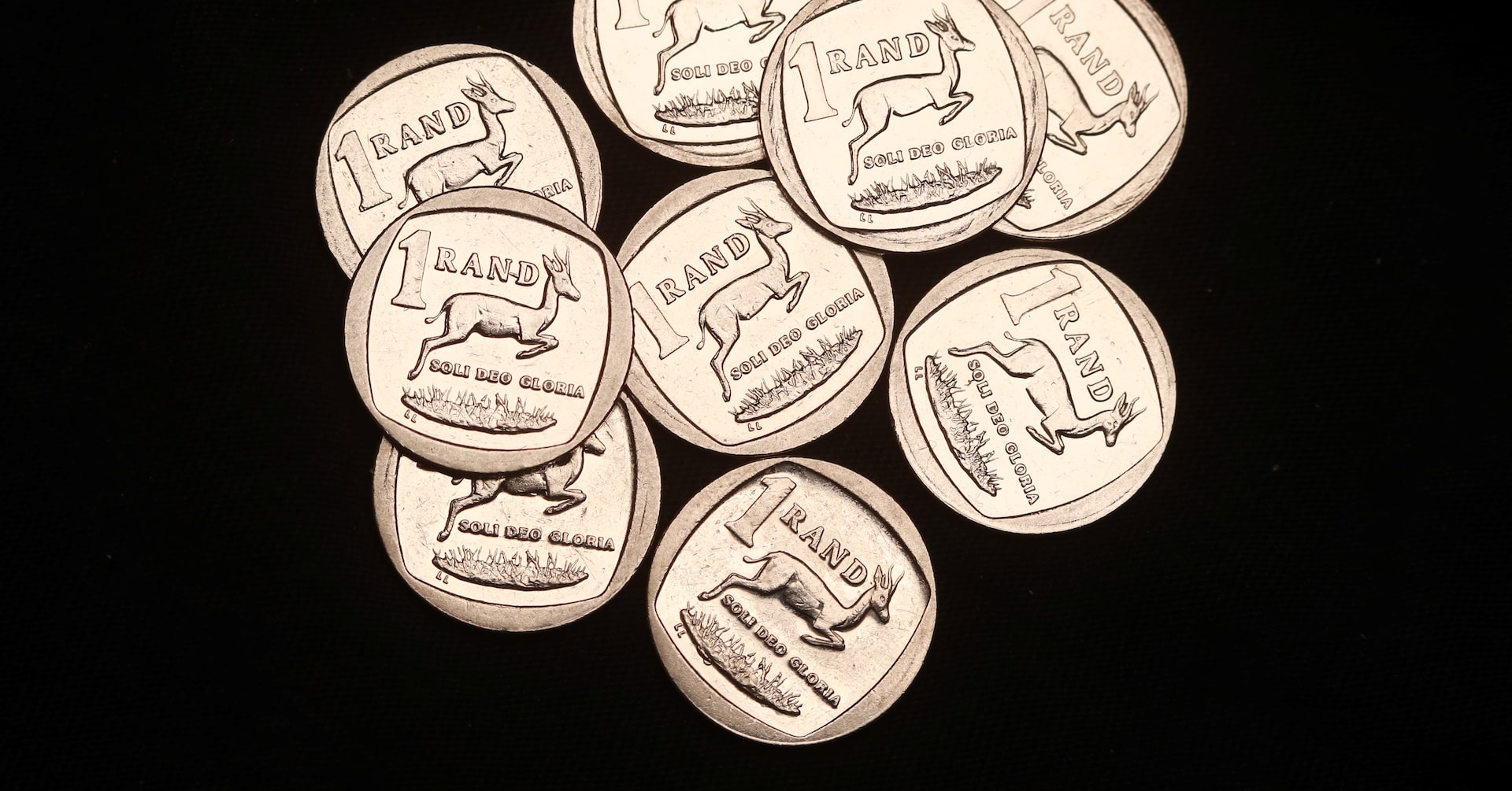
Rand Weakens Amid Global Market Focus
The South African rand experienced a decline against the U.S. dollar during early Thursday trading, as global investors turned their attention to the G20 finance ministers and central bank governors meeting taking place in Durban. The currency’s movement reflects market sensitivity to global economic events, especially with a relatively quiet local economic calendar.
As of 06:37 GMT, the rand was trading at 17.8975 per U.S. dollar, marking a depreciation of approximately 0.4% compared to the previous day’s close. Simultaneously, the U.S. dollar index rose by a similar margin, strengthening against a basket of major global currencies.
Focus on G20 Finance Chiefs’ Summit
The G20 summit, hosted in South Africa’s coastal city of Durban, is drawing considerable international attention. Finance ministers and central bank leaders from the world’s largest economies are convening to deliberate on pressing global economic issues. The two-day meeting is expected to address global inflationary pressures, trade tensions, and monetary policy coordination.
With limited domestic economic data releases this week, South African market participants are especially attuned to the outcomes of the G20 discussions. The meeting could influence investor sentiment and have ripple effects on emerging market currencies, including the rand.
Bond Market Sees Modest Reaction
In tandem with the weakening rand, the South African bond market also showed signs of strain. The yield on the country’s benchmark 2035 government bond increased by 1.5 basis points, reaching 9.895%. Rising yields typically indicate falling bond prices, which may reflect investor concerns or repositioning ahead of potential international monetary policy shifts.
Traders and analysts will be monitoring statements and policy signals from the G20 meeting closely, as any indications of future interest rate changes or fiscal measures could significantly affect global capital flows and, by extension, South Africa’s financial markets.
Dollar Strength and Global Economic Cues
The U.S. dollar’s continued strength is partly attributed to expectations that the Federal Reserve may maintain higher interest rates for an extended period. This has led to a general weakening of emerging market currencies, including the rand, as investors seek safer, higher-yielding assets.
The dollar’s resilience comes amid ongoing discussions about inflation control and economic stability in the U.S., with analysts speculating on when the Fed might begin to ease its monetary stance. Until then, currencies like the rand are likely to remain under pressure.
Outlook for the Rand and South African Economy
Despite the rand’s recent dip, long-term projections for the South African economy remain cautiously optimistic. Government efforts to stabilize public finances and support infrastructure development are expected to provide some foundational strength. However, the country’s economic trajectory is still vulnerable to global market trends and domestic policy execution.
Analysts warn that the rand could face continued volatility in the short term, particularly if international economic conditions remain uncertain or if investor risk appetite diminishes. The currency’s performance will also depend on how effectively South African policymakers manage structural reforms and economic growth initiatives.
Global Events Continue to Drive Market Sentiment
As the G20 summit progresses, market participants will be keenly analyzing any announcements or policy shifts that might emerge from the discussions. Topics such as global trade dynamics, energy transition financing, and debt sustainability in developing economies are expected to be on the agenda.
South Africa, as the host nation, will also be looking to leverage the meeting to strengthen its position in the global economic landscape and attract investment. Any positive momentum from the summit could help offset some of the recent currency weakness and bolster investor confidence.
This article is inspired by content from Original Source. It has been rephrased for originality. Images are credited to the original source.