

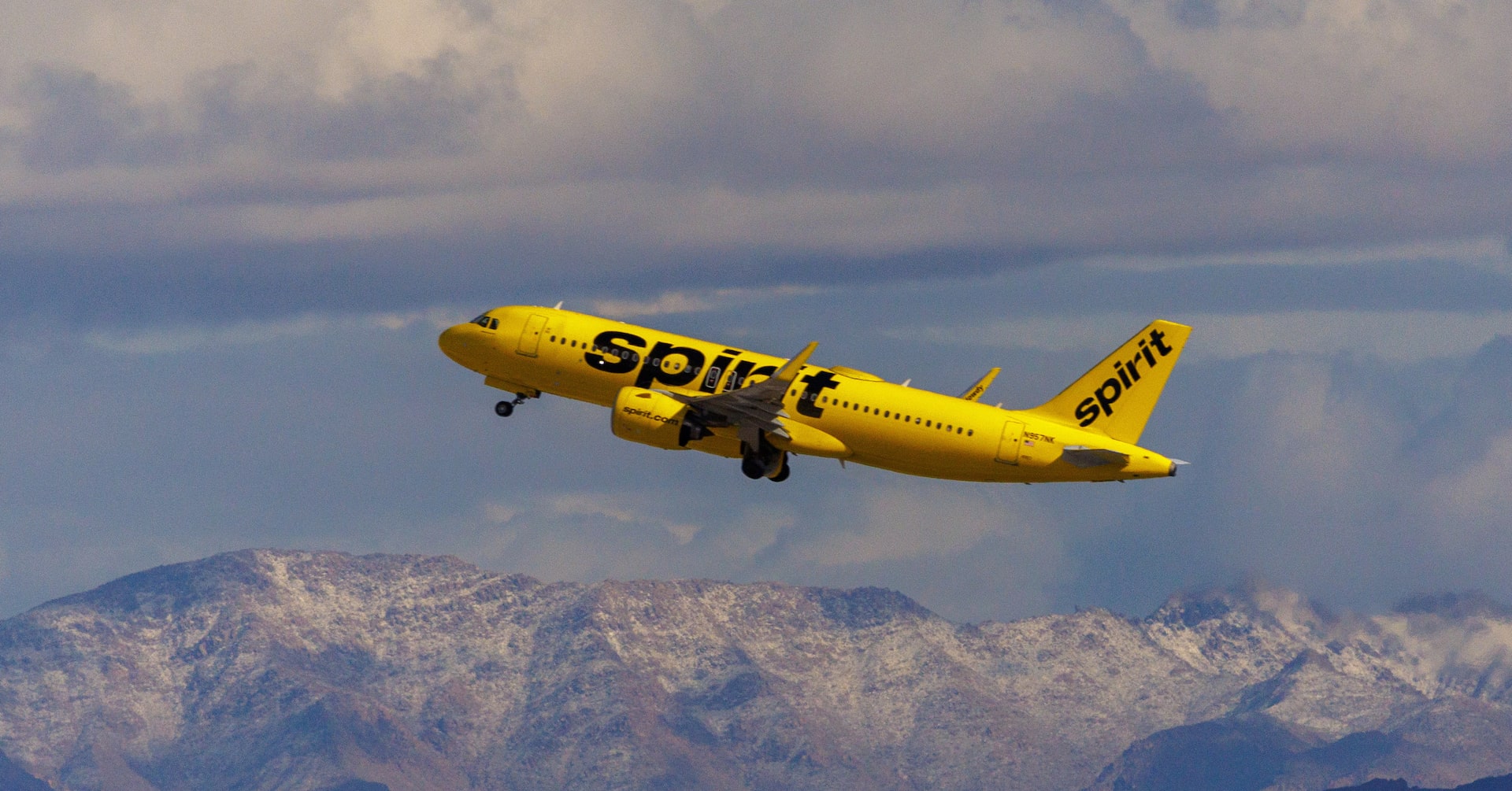
Spirit Airlines Enters Bankruptcy Again in Less Than a Year
Spirit Airlines, the U.S.-based low-cost carrier, has filed for Chapter 11 bankruptcy protection for the second time in under a year. The company, known for its ultra-low-cost model and bright yellow planes, is struggling with ongoing financial issues that have worsened despite a previous restructuring effort earlier this year.
The new filing was submitted in the Southern District of New York on Friday, marking a critical juncture for the airline, which has failed to regain stability after emerging from its earlier bankruptcy in March.
Mounting Losses and Cash Flow Problems
Spirit’s financial troubles have intensified, with a reported net loss of approximately $246 million in the second quarter ending in June. The airline recently maxed out its $275 million revolving credit facility, signaling a serious liquidity crisis.
CEO Dave Davis acknowledged the challenges, stating, “Since emerging from our previous restructuring, which was targeted exclusively on reducing Spirit’s funded debt and raising equity capital, it has become clear that there is much more work to be done.”
Analysts suggest that the carrier’s failure to address its excessive cost structure during its initial bankruptcy was a major contributor to its continued struggles. In the last quarter, Spirit’s operating expenses totaled $1.2 billion, surpassing its revenue and accounting for 118% of its earnings.
Operational Changes and Market Retraction
As part of its restructuring strategy, Spirit plans to cut its fleet size and reduce market presence. These changes are aimed at lowering debt and lease obligations, which the airline hopes will generate hundreds of millions in annual savings.
The company is also entangled in a legal dispute with AerCap Holdings over a future aircraft deal involving 36 Airbus planes scheduled for delivery between 2027 and 2028. The outcome of this disagreement could further impact the airline’s recovery strategy.
Commitment to Employees and Operations
Despite the bankruptcy proceedings, Spirit has pledged to maintain wages, benefits, and vendor commitments. The airline assured that flights, ticket sales, reservations, and day-to-day operations will continue without interruption.
“We are working productively with our secured noteholders, including with respect to potential financing that may become necessary later in the proceedings,” the company stated.
Industry Impact and Competitive Landscape
Spirit’s continuing financial woes are creating opportunities for rival carriers. Frontier Airlines has already begun capitalizing on the situation by adding new routes and considering asset acquisitions. Other airlines such as Southwest Airlines and United Airlines may also look to absorb Spirit’s aircraft and route options as part of their expansion plans.
History of Spirit Airlines
Founded in 1964 as a long-haul trucking firm, Spirit transitioned to aviation in the 1980s under the name Charter One Airlines. In 1992, it rebranded as Spirit Airlines and established itself as a budget-friendly carrier catering to cost-conscious travelers.
However, the onset of the COVID-19 pandemic and shifting consumer preferences toward more comfortable and experience-driven travel have challenged the viability of the ultra-low-cost model. Spirit attempted to reinvent itself as a more premium airline earlier this year, but the strategy failed to deliver the desired results.
The airline had previously reduced its debt by approximately $795 million through conversion into equity and raised $350 million from existing investors. These moves proved insufficient to counteract declining travel demand and rising operational costs.
Stock Market Fallout and Future Outlook
Following the bankruptcy announcement, Spirit’s stock plunged by 44% in extended trading on Friday. The airline anticipates that its shares will be delisted from the NYSE American exchange.
Despite these setbacks, Spirit remains focused on providing value to customers and is doubling down on its commitment to premium travel services. The future, however, remains uncertain as the airline navigates complex financial restructuring and industry competition.
This article is inspired by content from Original Source. It has been rephrased for originality. Images are credited to the original source.