

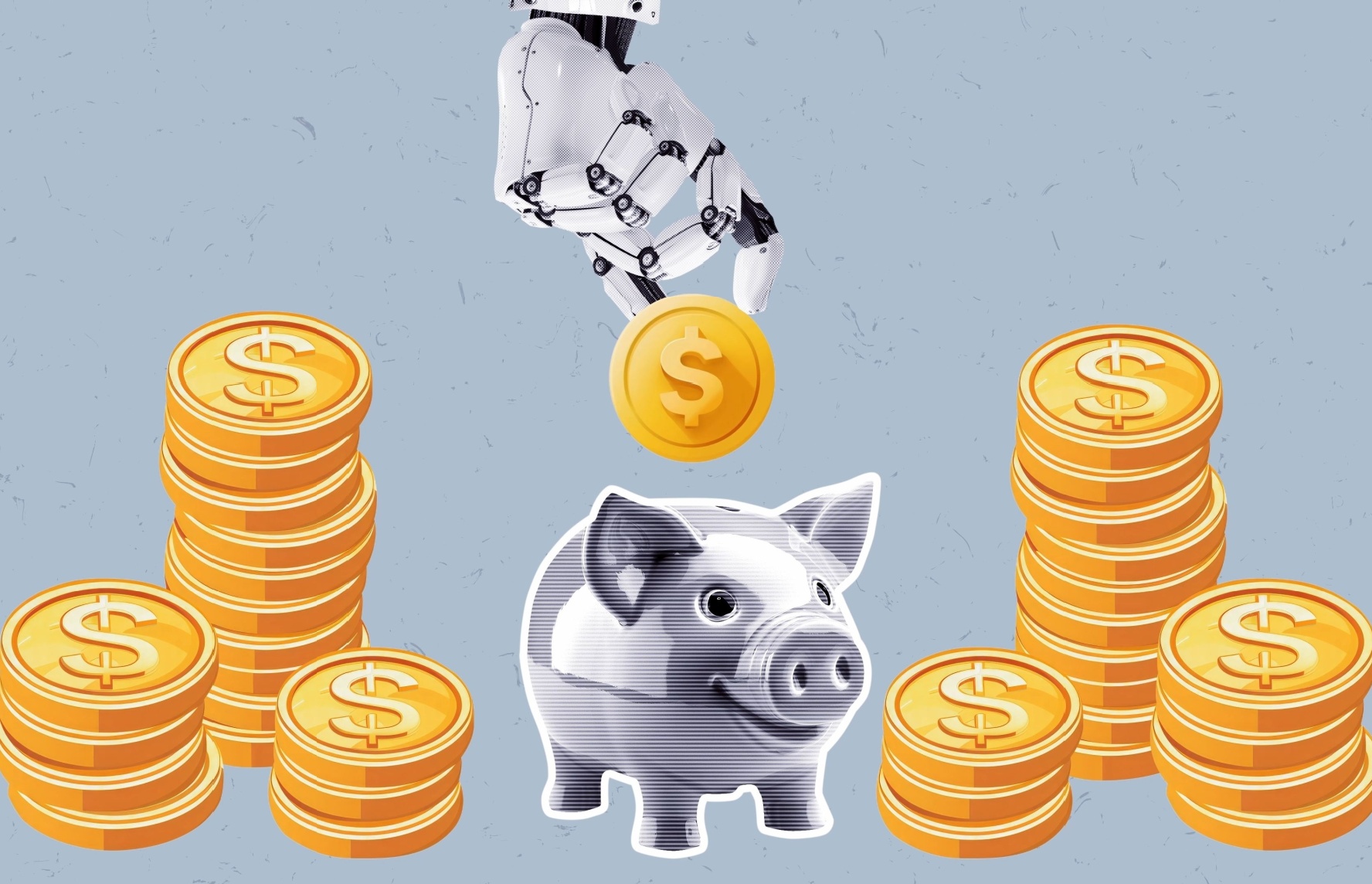
Adapting Tax Systems for an AI-Driven Economy
As artificial intelligence (AI) continues to reshape economic activity, policymakers face an urgent challenge: updating tax structures to remain viable in a world where human labor may no longer be the primary engine of production. A coherent public finance framework is needed to address this seismic shift and ensure fiscal sustainability without stifling innovation.
Current tax systems, particularly in the United States, rely heavily on labor income, which comprises around three-quarters of federal revenue. However, as AI increasingly automates tasks across sectors—from customer service to logistics and even advanced analytics—the labor market is poised for disruption. This trend threatens the stability of traditional tax bases and raises questions about how governments will fund essential services in the future.
The Role of Timing in AI Taxation
Timing is critical when determining the appropriate tax response to AI. In the early stages, when AI primarily enhances productivity and only gradually displaces workers, policies should support innovation while preparing for more profound transformations. Later, as AI systems become more autonomous and start reinvesting profits without human oversight, new taxation models may be necessary.
For instance, a future in which artificial general intelligence (AGI) entities operate independently—managing resources, reinvesting capital, and generating value—would require fundamentally different tax strategies. Current systems may prove inadequate in capturing these entities’ economic contributions.
Evaluating AI Tax Proposals
To effectively assess AI-related tax proposals, it is important to distinguish between consumption taxes and capital taxes. Consumption taxes—applied to services or goods used by end consumers—tend to be less disruptive to innovation. In contrast, taxing the capital infrastructure of AI, such as data centers or robotic equipment, may deter the investments essential for technological progress.
Five major AI tax proposals have been discussed:
- Digital Services Taxes: Levied on AI-enabled consumer services like virtual assistants or streaming platforms. These align with existing consumption tax models and avoid penalizing AI investments.
- Token Taxes: Fees on AI-generated content such as images or text. These should target final consumers while exempting business-to-business transactions to prevent cascading tax effects.
- Robot Services Taxes: Applied to services provided by robots (e.g., delivery or customer support), not the robots themselves. This generates revenue without discouraging automation.
- Robot Ownership Taxes: Taxes on owning or operating robotic equipment. These are considered harmful to innovation and productivity growth.
- Compute Taxes: Levies on computational resources or AI hardware. Like taxing steel during the Industrial Revolution, these could stifle foundational technology development.
Shifting Toward Consumption-Based Taxation
As labor income becomes a less reliable tax base, consumption taxes must take on a larger role. These taxes are less likely to distort investment decisions and align better with pro-innovation strategies. To make this shift work, several adjustments are necessary:
- Modernize tax systems to effectively handle digital and AI-driven services, including cross-border transactions.
- Reevaluate uniform tax rates as labor’s role diminishes, allowing for differentiated rates based on administrative efficiency and evasion risks.
- Address inequality by designing progressive consumption taxes or pairing them with robust redistributive programs.
- Identify and tax economic rents, such as monopoly profits or unique datasets, without discouraging normal investment returns.
These strategies help ensure that even as labor’s share of income declines, governments maintain sufficient revenue to support retraining programs, public infrastructure, and social protections.
Implementing AI-Oriented Tax Reforms
Transitioning to a tax system fit for the AI era requires attention to several implementation principles:
- Distinguish final from intermediate use: Taxes should apply to retail AI services but exempt business use to avoid compounding costs throughout supply chains.
- Ensure administrative feasibility: Simple, transparent systems are more likely to succeed than complex, burdensome frameworks that deter compliance.
- Promote international coordination: Harmonizing digital tax rules across borders can curb tax avoidance and support global competitiveness.
These measures can help avoid the pitfalls of poorly designed taxes that could hamper AI adoption while maintaining fiscal health.
Preparing for Transformative AI Scenarios
Looking further ahead, policymakers must consider the possibility of AGI entities functioning as independent economic agents. In such a world, traditional labor or consumption taxes may no longer suffice. Governments may need to develop mechanisms to tax the resource accumulation of AGI systems directly, similar to how corporations are taxed today—but potentially broader to include all forms of capital growth.
Moreover, innovative mechanisms like sovereign wealth funds or windfall-sharing agreements with AI companies could ensure public participation in AI-driven prosperity. These approaches offer fiscal insurance: modest returns if AI progress slows, and significant public benefit if it accelerates.
Conclusion: A Roadmap for AI-Era Taxation
To navigate the fiscal challenges posed by AI, governments should:
- Shift focus from labor to consumption taxes to maintain revenue without hindering innovation.
- Modernize tax systems for digital and AI-based services.
- Avoid taxing core AI infrastructure in the short term.
- Build capacity to tax economic rents and adapt to future AGI scenarios.
With thoughtful reform and flexible frameworks, we can ensure that the benefits of AI are widely shared and that public finance systems remain strong in the face of technological transformation.
This article is inspired by content from Original Source. It has been rephrased for originality. Images are credited to the original source.