

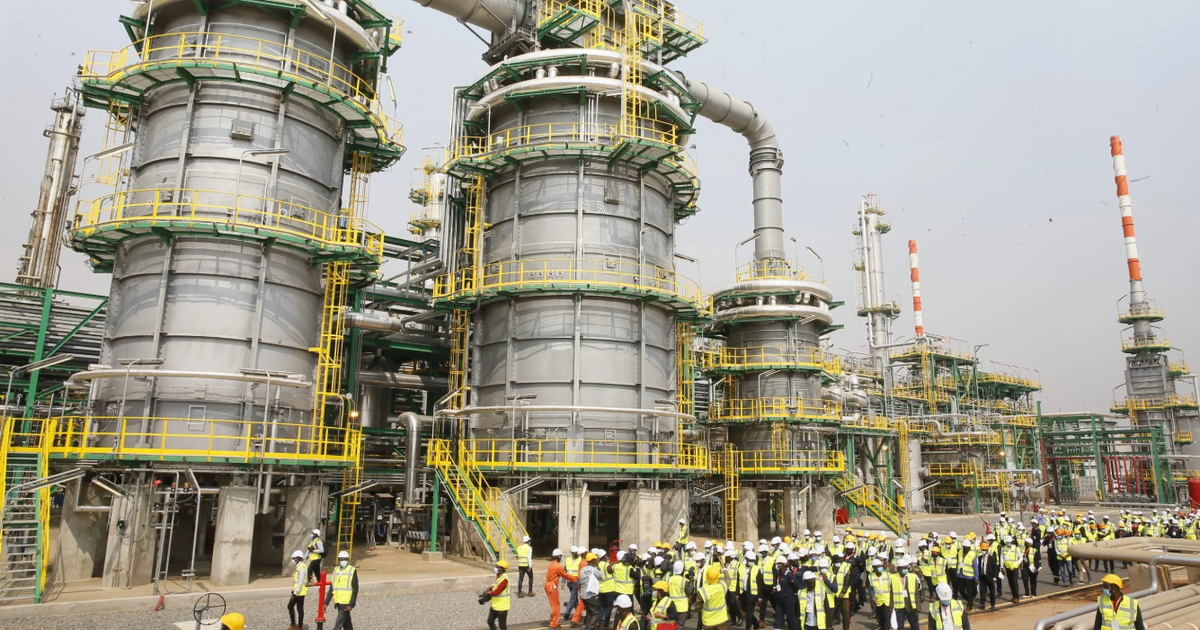
China’s $66.1 Billion Investment in Africa’s Energy Sector
Between 2000 and 2024, China has firmly positioned itself as the leading external financier of Africa’s energy sector, channeling $66.1 billion across the continent. This significant investment has gone into a range of energy infrastructure, including oil and gas projects, power plants, transmission grids, and renewable energy developments. As African nations work to expand their energy access and industrialize, Chinese funding has become a critical driver of growth, modernization, and strategic partnerships.
Strategic Motives Behind Chinese Financing
Chinese financing in Africa’s energy sector is not only about development — it’s about securing long-term access to vital natural resources, deepening trade relationships, and expanding China’s geopolitical footprint. China’s willingness to fund large-scale, capital-intensive projects has made it a preferred partner for many African governments, especially in nations rich in oil or facing chronic energy shortages.
According to the Global Development Policy Center, energy has become one of the largest sectors for Chinese lending in Africa. Out of a total of 1,319 loans worth $180.9 billion to African countries since 2000, $66.1 billion has been directed specifically toward energy projects.
How Chinese Investments Differ from Western Approaches
China’s approach to energy financing in Africa contrasts significantly with that of Western institutions. While organizations such as the World Bank and European lenders have increasingly emphasized renewable energy and governance-linked financing, China has continued to support a mix of traditional oil, gas, and fossil fuel infrastructure alongside renewables. This unwavering support for high-risk, high-cost projects — particularly in oil-rich or energy-deficient countries — has helped China outpace Western and Russian competitors in the region.
Russia, for its part, has focused on nuclear energy partnerships and upstream oil and gas development, positioning itself as an alternative strategic partner for African governments. However, China’s massive financial commitments and flexibility have set it apart as the dominant external player shaping Africa’s energy future.
Top 10 Recipients of Chinese Energy Loans in Africa (2000–2024)
- Angola: $27.3 billion (41 loans)
Angola tops the list by a wide margin, receiving more than six times the amount of the next biggest recipient. Most of China’s loans to Angola have been tied to oil production and refinery infrastructure, frequently backed by crude oil supply agreements. - South Africa: $4.5 billion (3 loans)
Significant Chinese funding has supported major electricity generation projects in South Africa, helping the continent’s most industrialized nation address persistent power shortages. - Sudan: $4.2 billion (21 loans)
Chinese financing was pivotal in constructing Sudan’s oil export infrastructure, including pipelines and refineries, strengthening its position as an oil exporter. - Ethiopia: $3.4 billion (19 loans)
Loans were used for hydroelectric projects and transmission lines, supporting Ethiopia’s ambitions to become a regional energy exporter and increase its electricity access. - Zambia: $3.1 billion (16 loans)
Much of the funding focused on hydropower and electricity infrastructure, which are essential for the country’s mining sector and broader economic growth. - Uganda: $2.6 billion (7 loans)
China supported oil development and electricity expansion, fueling Uganda’s emerging petroleum sector and supporting its power needs. - Ghana: $2.3 billion (14 loans)
Loans from China have financed power plants and grid infrastructure, helping stabilize Ghana’s electricity supply and supporting industrialization. - Equatorial Guinea: $1.8 billion (8 loans)
Funding was directed at offshore oil production and export infrastructure, reinforcing the country’s role as a regional oil supplier. - Kenya: $1.8 billion (14 loans)
Chinese support has driven geothermal energy development and grid expansion, playing a key role in improving Kenya’s electricity network. - Côte d’Ivoire: $1.6 billion (5 loans)
Loans have financed thermal power generation and industrial energy infrastructure, supporting economic growth and development.
Broader Implications for Africa and the Global Energy Landscape
China’s dominance in African energy financing is reshaping the continent’s economic and geopolitical landscape. By ensuring reliable energy supplies, these investments are not only fueling Africa’s industrialization and development but also strengthening China’s trade and strategic ties across the region. As competition intensifies from Western nations and Russia, Africa’s energy sector is becoming a key battleground for influence — a trend likely to shape the continent’s future for decades to come.
This article is inspired by content from Original Source. It has been rephrased for originality. Images are credited to the original source.