

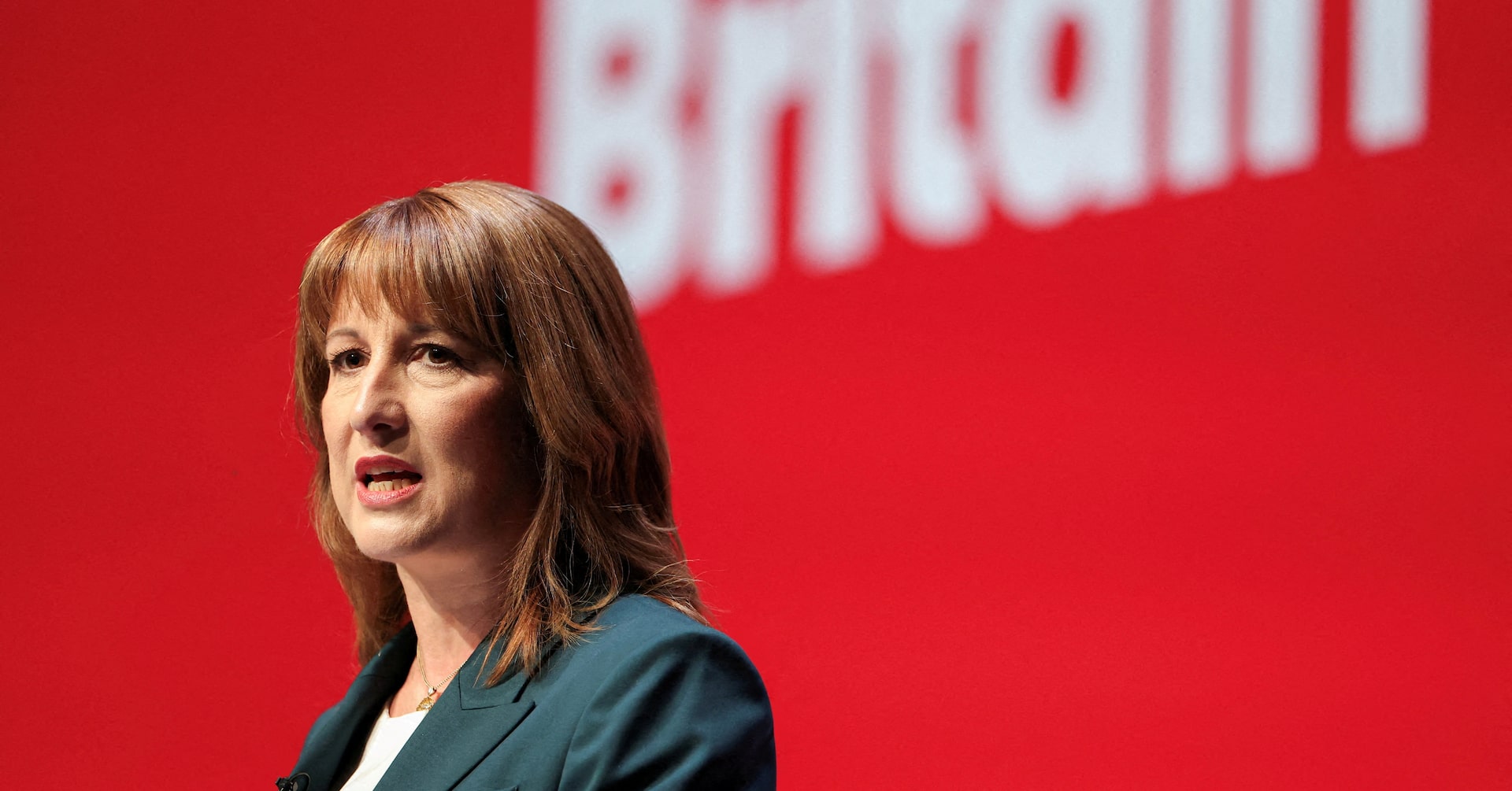
Reeves Plans Significant Tax Reforms to Meet Fiscal Goals
British Finance Minister Rachel Reeves is preparing to unveil sweeping tax reforms in her upcoming budget on November 26, aiming to generate up to £30 billion annually. With the UK economy under pressure and fiscal targets looming, Reeves is focusing on increasing tax revenues while keeping spending cuts to a minimum.
Although Reeves and Prime Minister Keir Starmer previously pledged not to raise income tax, value-added tax (VAT), or national insurance for working people, economic realities may force a shift in strategy. Starmer recently hinted that worsening economic conditions could necessitate a re-evaluation of campaign promises.
Income Tax Adjustments Under Consideration
Several reports suggest Reeves is considering increasing income tax rates. One option includes a one-percentage-point rise on all income brackets, potentially generating £8 billion in additional revenue annually. Alternatively, raising rates only for higher and top earners could yield approximately £2 billion and £230 million, respectively.
The Telegraph has reported that Reeves might implement a two-pence increase in income tax rates, offset by a similar cut in social security contributions. This move would shift the tax burden toward pensioners, landlords, and the self-employed, potentially raising £6 billion.
Another likely step involves extending the freeze on income tax thresholds until 2030. This approach would push more people into higher tax brackets over time, raising an estimated £8 billion without formally increasing rates.
VAT Reforms Could Affect Consumers
VAT reforms are on the table, including the potential elimination of reduced or zero rates on items like food and children’s clothing. However, such changes could be politically risky, as they might further drive up inflation—already the highest among G7 nations.
Experts have also recommended lowering the VAT threshold for businesses, which would increase tax revenues and remove barriers for small businesses seeking growth.
New Targeted Taxes and Wealth Measures
Reeves may introduce a new tax dedicated to public health spending, such as a targeted income levy. While technically not breaking past pledges, such a move could be seen as straying from the spirit of previous commitments.
Although she has ruled out a broad wealth tax, Reeves has signaled that the wealthy will contribute more. This could include higher taxes on capital gains and other investment income. As Reeves often asserts, “those with the broadest shoulders should pay their fair share of tax.”
Property and Pension Tax Reforms
Changes to property taxation are also being explored. Economists argue that the current stamp duty discourages mobility and hinders economic growth. Potential adjustments could include reducing stamp duty while increasing taxes on owners of high-value properties.
Pension-related reforms may involve applying social security levies to employer pension contributions or reducing the tax-free lump sum individuals can withdraw. While such changes could generate revenue, industry leaders warn they may disincentivize retirement savings.
Taxation of Savings and Professionals
To stimulate the UK stock market, Reeves is reportedly considering lowering the tax-free limit on cash Individual Savings Accounts (ISAs), according to the Financial Times. This could redirect savings toward equities, bolstering market activity.
Reeves is also weighing an increase in taxes on limited liability partnerships, a structure commonly used by law and accountancy firms. This proposal has met resistance from professional associations, who argue it could harm their industries.
Banking Sector and ‘Sin Taxes’ in the Spotlight
Some think tanks have advocated for higher taxes on banks, particularly to recoup interest earnings from reserves held at the Bank of England. However, financial institutions warn that such measures could restrict lending and slow economic growth. Reeves has emphasized the need to maintain a “competitive environment” for financial services.
Other revenue sources include so-called “sin taxes” on products such as alcohol, tobacco, gambling, and vaping. Additional levies on air travel, sugary drinks, and plastics are also under review. While these taxes could raise funds, they may also alter consumer behavior and fuel inflation.
Fuel Duty Freeze Could End
Fuel duty, which has remained frozen since 2011, is another major revenue channel under examination. Lifting the freeze could bring in a significant portion of the £25 billion the tax currently generates annually. However, such a move risks public backlash from motorists already strained by high fuel costs.
As the November 26 budget approaches, all eyes are on Reeves to see how she balances fiscal responsibility with economic growth, fairness, and political feasibility. The decisions she makes could have long-lasting implications for the UK economy and its citizens.
This article is inspired by content from Original Source. It has been rephrased for originality. Images are credited to the original source.