

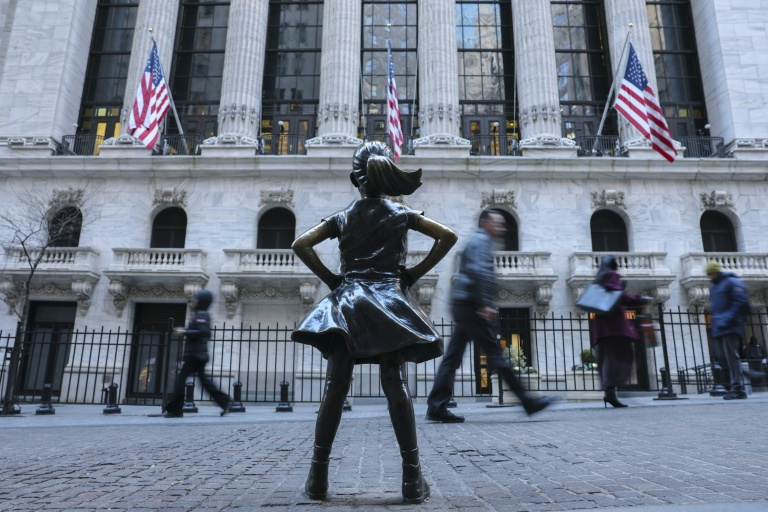
Wall Street Affirms Commitment to Stay Open
In the face of growing economic uncertainty and global financial tension, Wall Street has reiterated its commitment to remaining operational. Despite speculation about potential market closures or limited trading hours due to geopolitical and economic pressures, major U.S. exchanges have confirmed they will stay open for business.
Financial institutions, including the New York Stock Exchange (NYSE) and Nasdaq, emphasized the importance of maintaining open markets to ensure investor confidence and economic stability. Market transparency and liquidity are critical pillars of the financial system, according to industry leaders.
Why Rumors of Closure Emerged
Concerns about market disruptions have surfaced in recent weeks as global events, such as conflicts in Eastern Europe and fluctuating oil prices, have created volatility. Additional worries about inflation and potential interest rate hikes by the Federal Reserve have also contributed to investor anxiety. These developments sparked rumors that Wall Street might consider temporary shutdowns or reduced trading schedules to manage instability.
However, financial authorities and exchange executives have moved quickly to dispel such rumors. Leaders assert that closing markets would do more harm than good, potentially triggering panic and exacerbating the very volatility they aim to mitigate.
Historical Context on Market Closures
The United States has a history of rare but significant market shutdowns. One of the most notable instances occurred after the September 11, 2001 terrorist attacks, when markets were closed for several days to ensure security and restore order. Similarly, the Great Depression and natural disasters like Hurricane Sandy in 2012 prompted short-term trading halts.
Despite these precedents, officials stress that such closures are exceptional and not a standard response to economic uncertainty. Maintaining continuity in trading operations is seen as essential to avoiding sudden shocks and maintaining investor trust.
Technological Resilience and Remote Operations
One of the key reasons Wall Street can remain open even during turbulent times is the strength of its technological infrastructure. Since the COVID-19 pandemic, exchanges have invested heavily in remote trading capabilities and cybersecurity measures. These improvements allow markets to operate efficiently even when physical trading floors are closed or operating under restrictions.
The shift to digital trading platforms has also increased the resilience of the financial system. Market participants can execute trades, monitor activity, and manage risk in real-time from virtually anywhere. This adaptability has become a cornerstone of modern financial operations.
Statements from Industry Leaders
Senior executives at the NYSE, Nasdaq, and major brokerage firms have publicly reaffirmed their commitment to keeping the markets open. In a joint statement, the heads of several exchanges noted, “The integrity and functioning of the U.S. financial markets are of paramount importance. We are committed to ensuring that trading continues without interruption, despite external challenges.”
Regulators, including the U.S. Securities and Exchange Commission (SEC), have echoed these sentiments. The SEC emphasized that keeping markets open helps prevent dislocation and allows investors to make informed decisions based on real-time information.
Investor Sentiment and Market Implications
The assurance that Wall Street will stay open has provided some relief to investors. Market analysts suggest that continued operations will help reduce speculative behavior and foster a more stable investment environment. Investor confidence is closely tied to market access, and any disruption could have wide-reaching implications for portfolios and retirement funds.
While volatility may persist due to ongoing global tensions, the ability to buy and sell assets freely is a critical component of market health. Analysts recommend that investors stay informed, diversify holdings, and avoid making rash decisions based on rumors or isolated events.
Conclusion: Commitment to Stability
In uncertain times, maintaining open and accessible financial markets is vital to ensuring economic stability. Wall Street’s decision to remain operational reflects a deep understanding of the role that transparent, continuous trading plays in the broader economy. As global challenges continue to evolve, the resilience of financial institutions and their dedication to serving investors remain clear.
This article is inspired by content from Original Source. It has been rephrased for originality. Images are credited to the original source.