

Introduction: West Virginia’s TANF Funding Gap
West Virginia’s Temporary Assistance for Needy Families (TANF) program is facing a significant funding gap, as recently highlighted by Gov. Patrick Morrisey. The governor revealed a $40 million shortfall in the state-run, federally funded safety net program that provides monthly cash payments and support services to low-income families with children. This announcement has left lawmakers and advocacy groups searching for answers on how the gap developed and what steps will be taken to address it.
Understanding the TANF Program and Funding Concerns
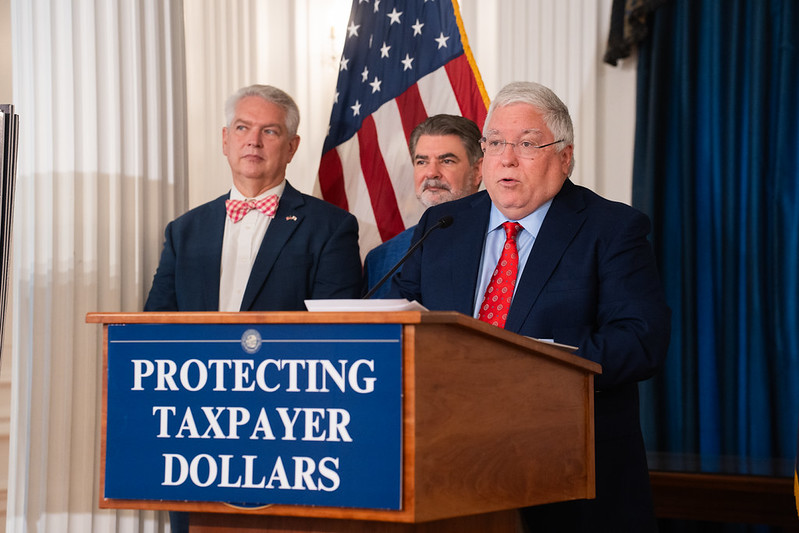
The TANF funding gap emerged during a press briefing where Gov. Morrisey suggested that cuts may be necessary to programs such as childcare assistance and school clothing vouchers for low-income families. While he mentioned family support centers, details remain unclear. The governor emphasized that no final decisions have been made and that further discussions with the state legislature are essential before any actions are taken.
House Speaker Roger Hanshaw echoed the need for more information, stating that the legislative session did not include discussions about a TANF funding gap. Lawmakers now face the challenge of understanding the origins of the shortfall and evaluating its impact on vital services that support low-income families across West Virginia.
Causes of the $40 Million Shortfall
According to the governor’s administration and communications director Lars Daleside, the TANF funding gap is the result of a structural imbalance that developed over several years. The state expanded TANF-supported programs during the COVID-19 pandemic, aided by temporary federal funding increases. However, as those one-time funds expired, the state’s recurring obligations grew to exceed the annual TANF block grant—estimated at $100 million—by about $40 million. Previous years’ carryover balances, used to cover the gap, are now nearly depleted.
Gov. Morrisey attributed the deficit to pandemic-era spending and insufficient oversight, acknowledging the need for fiscal responsibility while maintaining support for families in need. He stressed that the state cannot continue running deficits and must adapt as emergency funds phase out.
Lawmakers and Experts Weigh In
Legislators and policy experts have offered varying interpretations of the TANF funding gap. Kelly Allen, executive director of the West Virginia Center on Budget & Policy, explained that the state built up a TANF reserve by not spending its full federal allocation in prior years. As reserve funds dwindled, the true costs of expanded programs surfaced. Allen noted that childcare subsidies, in particular, relied heavily on TANF dollars, and the state now faces the reality of sustaining these expanded services without extra federal aid.
Jim McKay, state director of Prevent Child Abuse West Virginia, argued that the issue is less an urgent crisis and more a management of reserves. He pointed out that West Virginia still has about 18 months of TANF reserves left, suggesting there is time for lawmakers to find alternative funding sources and avoid immediate cuts to essential services.
Budget Data and Fiscal Trends
Analysis of West Virginia’s budget from 2021 to 2027 shows relatively flat TANF spending until recent years, when the state’s use of federal pandemic relief funds enabled a surge in program support. In fiscal year 2026, the gap between ongoing obligations and available federal TANF funds becomes apparent, coinciding with the depletion of reserves.
Experts from The Pew Charitable Trusts noted that West Virginia’s experience mirrors national trends, as states grapple with the end of pandemic-related federal aid and face pressures from rising spending and slow revenue growth. Many states, including West Virginia, are reconsidering the sustainability of programs expanded during periods of unusually strong revenue.
Path Forward: Seeking Clarity and Solutions
Legislators, including Delegate Anitra Hamilton and Delegate John Williams, have called for more transparency and evidence from the governor regarding the TANF funding gap. While the state budget for fiscal 2027 allocated $177 million to TANF, questions remain about whether a true structural deficit exists and how it should be addressed.
House Speaker Hanshaw emphasized that while the situation is not yet catastrophic, time is limited for the finance team to analyze how the funding gap arose and to develop solutions. Many stakeholders agree that fiscal responsibility must be balanced with the imperative to support West Virginia’s most vulnerable families, ensuring that critical services remain intact.
Conclusion: Addressing the TANF Funding Gap
The unfolding situation with West Virginia’s TANF funding gap highlights the complexities of managing federal aid, state budgets, and essential social programs. As lawmakers and experts work to clarify the situation and chart a sustainable path forward, the well-being of thousands of low-income families hangs in the balance. The coming months will be crucial in determining whether West Virginia can bridge the gap without sacrificing support for those who need it most.
This article is inspired by content from Original Source. It has been rephrased for originality. Images are credited to the original source.