

WHO Faces Financial Stability but Uncertain Future
The topic of WHO funding outlook has become increasingly pressing in the wake of significant changes within the organization. Just a year after the United States, previously its largest donor, withdrew from the World Health Organization (WHO), officials are cautiously optimistic about their current financial stability. However, as donor contributions shift and economic pressures mount, questions remain about the sustainability of WHO’s funding in the years ahead.
Current Financial Status: Stability After Major Changes
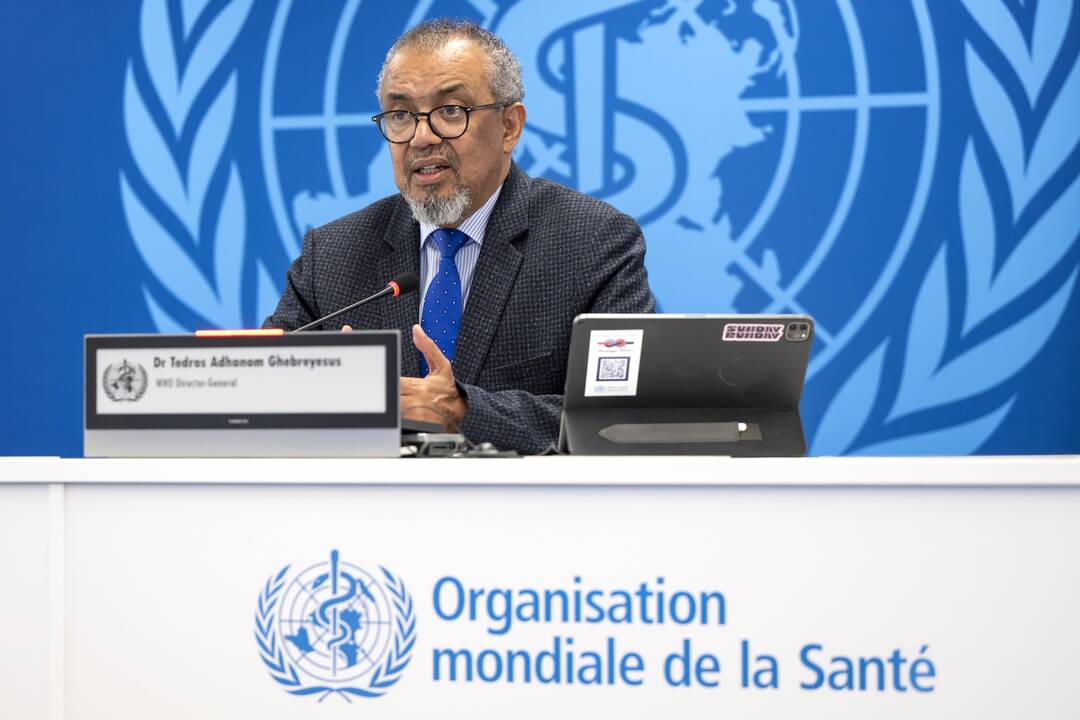
In a recent press briefing at WHO headquarters in Geneva, Director General Tedros Adhanom Ghebreyesus, alongside senior officials, assured journalists that the agency’s finances are “stable.” This follows a tumultuous year in which the US exit forced the WHO to cut 25% of its staff. Raul Thomas, Assistant Director General for Business Operations and Compliance, noted that 85% of the 2026 and 2027 budget has already been financed, a promising sign for now.
“While we are looking at resource mobilisation, we’re also looking at tightening our belts,” Thomas explained. The WHO funding outlook remains cautious, as achieving the final 15% of the budget will be challenging given current global economic uncertainties and donor fatigue.
Reforms and Adjustments to Funding Mechanisms
Director General Tedros highlighted the importance of recent financial reforms, which have allowed incremental increases in state member fees. Historically, mandatory contributions made up only a quarter of the WHO’s total funding, with the rest coming from voluntary, often earmarked, donations. In response, member states have agreed to raise their contributions by 20% in both 2023 and 2025, with further increases scheduled for negotiation in 2027, 2029, and 2031. This aims to bring core funding closer in line with voluntary sources.
Additionally, the WHO has reduced its biennial budget for 2026 and 2027 from $5.3 billion to $4.2 billion, a move described by Tedros as essential to maintaining financial health. “Our financing actually is better,” he emphasized. “Without the reform, it would have been a problem.”
Volatile Donor Landscape and New Sources of Support
Despite these positive steps, the WHO funding outlook remains clouded by uncertainty. Suerie Moon, co-director of the Global Health Centre at the Geneva Graduate Institute, notes that the organization faces a “non-stop effort” to ensure adequate funding. Reliance on non-flexible, project-specific voluntary funding and the use of contributions for political leverage by some donors complicate long-term planning.
External economic factors, such as inflation and the fallout from the Middle East conflict, have increased costs—especially in procuring emergency health kits. Thomas mentioned ongoing negotiations to manage procurement costs, but acknowledged that price hikes are affecting the organization across the board.
With traditional Western donors reducing their commitments, the WHO is actively seeking support from non-traditional and non-Western sources. Notably, China pledged $500 million in voluntary funding until 2030, a substantial increase from previous years, while Gulf states have also stepped up their contributions. However, Moon cautioned that there has not been a dramatic surge from these new donors to fully compensate for the US withdrawal.
Managing Expenditure and Sustainable Operations
To adapt to the changing WHO funding outlook, the agency is reviewing its expenditures through sustainability plans. This includes collaborating closely with independently funded centers, such as universities and research institutes, to support WHO programs. On the personnel side, Thomas indicated that further job cuts are not currently planned but could be considered if necessary. The number of consultants was reduced by 23% by the end of 2025, reflecting ongoing efforts to streamline operations.
Elaine Fletcher, a global health reporter, highlighted that consultants still make up a significant portion of the agency’s workforce, particularly in Africa and Southeast Asia.
Future Prospects: Donor Politics and Leadership Changes
The WHO funding outlook is also influenced by upcoming changes in leadership. Suerie Moon suggests that the race for the top position may attract new funding from candidates’ home countries, presenting both opportunities and challenges. The relatively small size of the WHO’s budget means that moderate contributions can have a significant impact.
Ultimately, the main challenge ahead is whether major donors will continue to step up or announce further aid cuts. The success of biennial increases in assessed contributions and ongoing financial reforms will play a critical role in shaping the WHO’s financial future.
Conclusion: A Balancing Act for WHO’s Future
In summary, the WHO funding outlook shows short-term stability but remains subject to significant uncertainties. With ongoing reforms, new donor outreach, and careful expenditure management, the organization is striving to secure its mission in global health. However, continued vigilance and adaptation will be essential as the broader economic and political landscape evolves.
This article is inspired by content from Original Source. It has been rephrased for originality. Images are credited to the original source.