

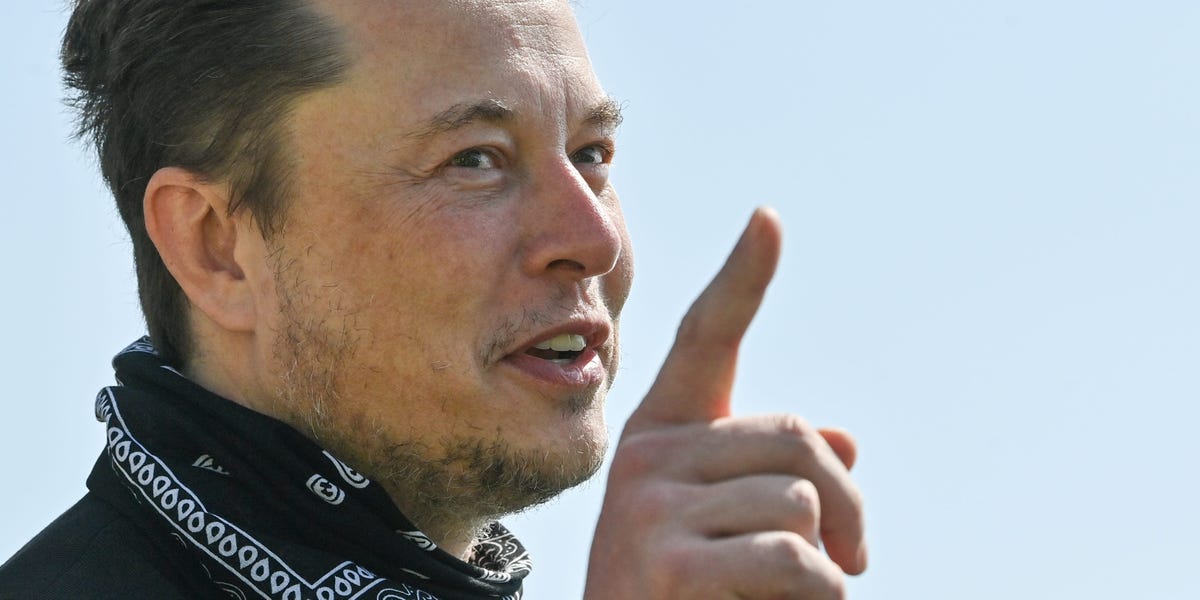
Elon Musk’s Massive Compensation Package Sparks Debate
Elon Musk’s proposed $1 trillion pay package has raised eyebrows across the financial world. While some critics see it as excessive, others suggest it may be a rational reward for unprecedented innovation and value generation. One finance professor is among those who argue that such compensation might actually make sense, especially given Musk’s transformative impact on multiple industries.
Understanding the Trillion-Dollar Deal
The compensation plan, first proposed by Tesla in 2018, is tied to ambitious performance benchmarks, including revenue and market valuation milestones. If met, Musk would receive stock options worth billions, potentially leading to a payout of $1 trillion over time. This package is not a simple salary but a performance-based reward, requiring Tesla to meet extraordinary goals.
Professor Daniel J. Horstmeyer, a faculty member at a leading business school, recently argued that Musk’s compensation could be justified by the scale of his contributions to the global economy. According to Horstmeyer, Musk’s ventures—including Tesla, SpaceX, Neuralink, and X (formerly Twitter)—are reshaping entire sectors, from transportation to space exploration and artificial intelligence.
Value Creation on a Global Scale
Horstmeyer points out that Musk’s work has triggered waves of innovation and competition, pushing the boundaries of what’s possible. Tesla’s advancements in electric vehicles have accelerated the automotive industry’s shift away from fossil fuels. Similarly, SpaceX has dramatically reduced the cost of launching satellites and transporting cargo into orbit, paving the way for commercial space travel.
“When you consider the ripple effects of Musk’s ventures on global productivity and technological progress,” Horstmeyer said, “the value he’s generating could well be in the trillions.”
He added that traditional compensation models often fail to reflect the scale of impact that visionary entrepreneurs can have, especially when their work leads to systemic change.
The Role of AI and Stablecoins
Musk’s involvement in artificial intelligence and digital finance also plays into the argument for his high valuation. His AI ventures, such as xAI, aim to develop responsible and safe artificial intelligence systems. These projects could play a critical role in shaping the future of human-computer interaction and decision-making.
Moreover, Horstmeyer noted Musk’s influence on financial innovation, including his support for stablecoins and decentralized finance. These technologies could redefine the global monetary system, increasing efficiency and reducing dependency on traditional banking models.
Criticism and Scrutiny
Despite these arguments, Musk’s compensation plan has faced significant scrutiny. Critics argue that such a large payout sets a dangerous precedent, exacerbates income inequality, and concentrates too much power in the hands of a single individual. Shareholder lawsuits and regulatory investigations have also examined whether the plan was properly disclosed and approved.
However, supporters argue that Musk’s compensation is aligned with shareholder interests. Since his payout depends entirely on Tesla’s performance, he is incentivized to maximize the company’s value—a win-win for both Musk and investors.
A New Model of Leadership?
Horstmeyer believes Musk represents a new archetype of leadership—one that blends entrepreneurship, engineering, and futuristic vision. “We are moving into an age where traditional metrics of success may not fully capture the value created by tech innovators,” he said.
He suggests that the economy may need to evolve its understanding of compensation to reflect the contributions of individuals who are reshaping society at a foundational level. In this view, Musk’s $1 trillion deal is not an outlier but a preview of what’s to come as the world increasingly relies on visionary leaders to solve its biggest challenges.
Looking Ahead
Whether or not Musk ultimately receives the full value of the compensation package remains to be seen. But the conversation it has ignited—about innovation, value, and leadership—will likely continue for years to come. As technology continues to advance rapidly, the models we use to reward those at the forefront may need a fundamental rethink.
This article is inspired by content from Original Source. It has been rephrased for originality. Images are credited to the original source.