

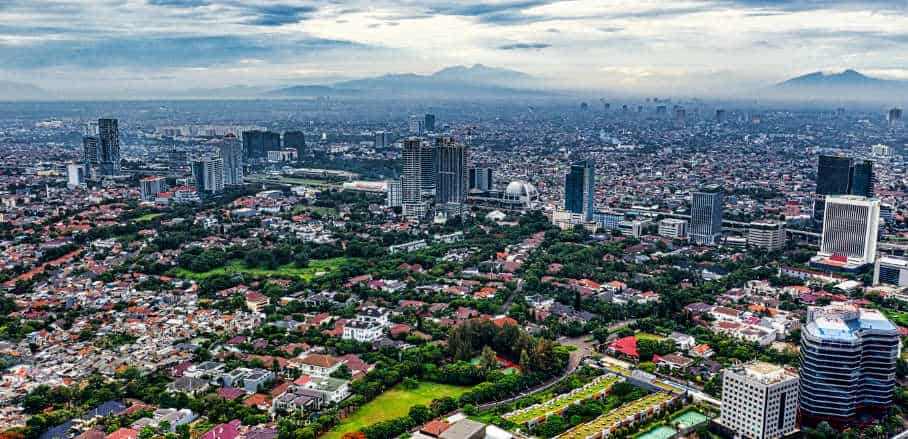
Urban Areas Face a Growing Climate Challenge
Cities in the Global South are grappling with the escalating impacts of climate change, but adaptation finance remains critically underfunded. Despite increasing recognition of climate risks in urban areas, especially in emerging markets and developing economies (EMDEs), funding continues to fall short of what is needed to build resilience.
The Cities Climate Finance Leadership Alliance (CCFLA), a coalition of over 80 public and private institutions, is working to address this gap. Through policy engagement, knowledge sharing, and strategic collaboration, CCFLA aims to drive investment into urban climate initiatives. Since 2019, they have produced more than 40 knowledge resources and convened over 120 events globally to advance urban adaptation finance.
Stark Disparity in Funding Allocation
According to the State of Cities Climate Finance Report (SCCFR), $831 billion was invested in urban climate projects during 2021 and 2022. However, only $10 billion of this was dedicated to adaptation efforts, with just $6 billion reaching cities in EMDEs. Sub-Saharan African and South Asian cities received a paltry 8% and 7% of that amount, respectively.
This shortfall is striking given that cities in EMDEs are estimated to require $147 billion annually in adaptation finance by 2030. The gap may be even larger due to incomplete data and tracking mechanisms, emphasizing the urgent need for increased investment.
Six Key Barriers to Urban Adaptation Finance
1. National Policies Overlook Urban Needs: Adaptation priorities are often set at the national level, sidelining urban concerns. As a result, cities are frequently left out of budgetary and planning processes.
2. Gaps in Coordination and Legal Authority: Fragmented governance, policy misalignment, and legal constraints prevent cities from implementing adaptation projects effectively. Without clear mandates or incentives, progress is stifled.
3. Limited Technical Capacity: Many cities lack the tools and expertise to develop viable adaptation projects. This includes risk assessment capabilities and investment planning frameworks that appeal to financiers.
4. Small Project Sizes: Adaptation projects at the city level are often too small to attract large-scale investment from development banks or institutional investors, who typically seek larger, more standardized opportunities.
5. Credit and Market Constraints: Poor municipal credit ratings, limited revenue streams, and the absence of business models for adaptation make cities unattractive to investors. They often rely on scarce internal funds or unpredictable grants.
6. Inaccessible Insurance Solutions: While insurance could help cities manage climate risks, high premiums and complicated claim processes deter their use, further reducing investment appeal.
Innovative Financial Tools Show Promise
Despite these challenges, several promising financial mechanisms are emerging. Blended finance strategies, which combine public and private funding, are proving effective. A notable example is the World Bank’s $500 million partial risk guarantee that unlocked $910 million in commercial loans for resilient water infrastructure in Luanda, Angola.
Parametric insurance products are becoming more common, providing rapid payouts after disasters. The Philippines’ City Disaster Insurance Pool is one such initiative, pooling risk and lowering costs for participating cities.
Land-value capture techniques, which involve charging developers for increases in property value due to public projects, can generate revenue for adaptation. Pooled procurement allows municipalities to jointly purchase climate-smart technologies, reducing costs. Argentina’s RAMCC Trust Fund is a successful example involving 30 cities.
Additionally, payments for ecosystem services can incentivize conservation. In Freetown, Sierra Leone, the “Freetown the Treetown” project pays residents to care for trees and uses carbon credit sales to fund reforestation.
Empowering Cities to Act
CCFLA’s 4Cs agenda outlines four enablers to enhance urban adaptation finance:
- Commitment: Cities must embed adaptation goals in local climate plans and advocate for inclusion in national policy frameworks like Nationally Determined Contributions (NDCs).
- Collaboration: Municipalities should align projects with international taxonomies to attract private investment and work with national partners to improve the policy environment.
- Capacity: Establishing dedicated departments for adaptation, sharing risk data, and leveraging programs like the Global Risk and Resilience Fellowship can build institutional strength.
- Capital Mobilization: Enhancing creditworthiness through tools like the City Cred Tool and engaging with climate funds and development banks can open up new financing channels.
A Call for Urgent Action
The global stocktake of the Paris Agreement underscores the need for immediate action. As climate risks intensify, especially in rapidly urbanizing regions of the Global South, the cost of inaction grows. Investment in urban adaptation is not only equitable but economically sound. Research from the World Resources Institute (WRI) shows that every dollar spent on adaptation yields more than $10 in benefits.
To close the adaptation finance gap, national governments and international institutions must prioritize urban resilience, streamline funding access, and support cities in building local capacity. At the same time, municipalities must integrate climate considerations into planning and budgeting while embracing innovative financial tools to safeguard their populations and economies.
This article is inspired by content from Original Source. It has been rephrased for originality. Images are credited to the original source.