

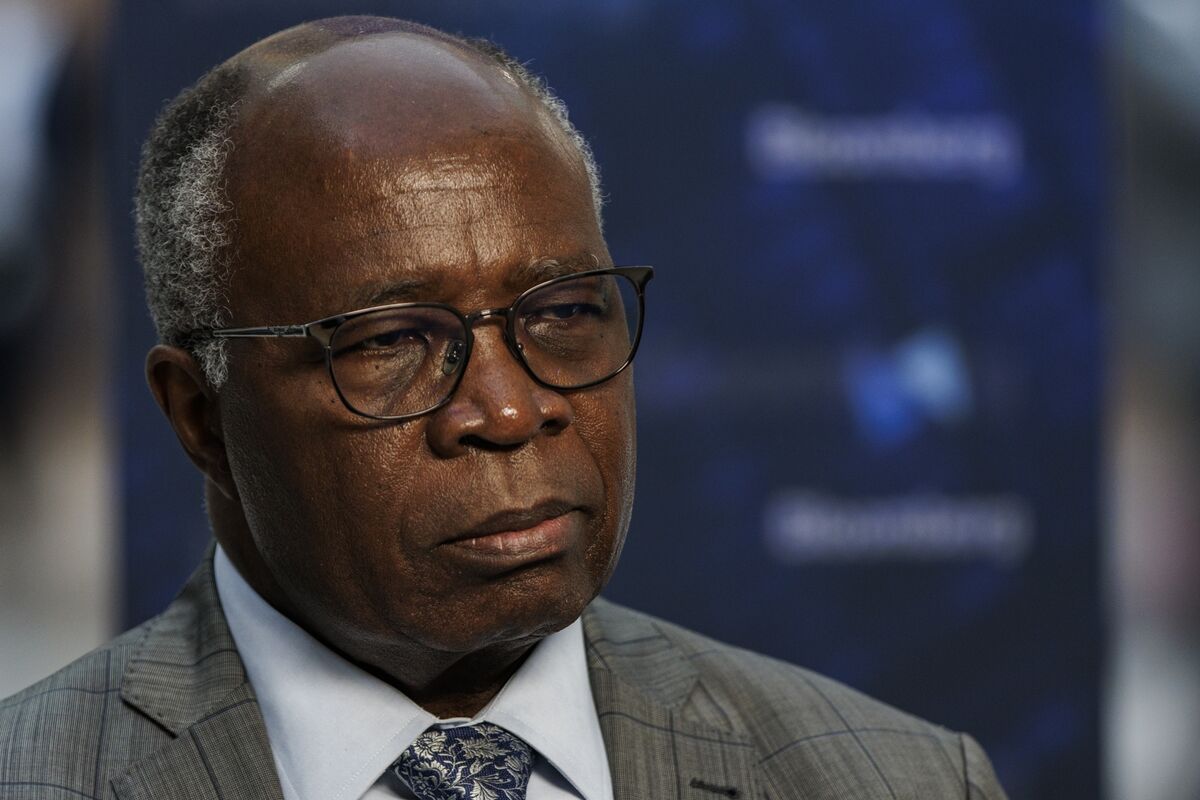
Zambia Aims to Extend IMF Program Through 2026
Zambia is pursuing a 12-month extension of its current International Monetary Fund (IMF) program, which is due to expire soon. The country’s Finance Minister, Situmbeko Musokotwane, confirmed the government’s intentions in an interview over the weekend. The extension would not only prolong the existing program but also allow Zambia to secure additional financial support from the IMF.
“We definitely want to extend the program for another one year,” Musokotwane stated, emphasizing Zambia’s commitment to continued economic reform and fiscal responsibility. “We have hope that the extension of the program by an extra year will come with the financial support.”
Background on Zambia’s IMF Program
The IMF program in question is a key part of Zambia’s economic recovery strategy following years of fiscal challenges, including a historic default on its international debt in 2020. The initial agreement with the IMF was intended to stabilize the economy, restore debt sustainability, and promote inclusive growth through structural reforms.
Since entering the program, Zambia has implemented a series of austerity measures and policy changes aimed at reducing its ballooning debt and rebuilding investor confidence. These steps have included subsidy reductions, revisions to public sector wages, and greater transparency in public financial management.
The initial IMF deal, approved in 2022, granted Zambia access to approximately $1.3 billion under the Extended Credit Facility. The program is performance-based, contingent on the country meeting specified economic benchmarks.
Why an Extension Is Crucial
The proposed one-year extension would help Zambia maintain the momentum of its ongoing reforms while also ensuring continued access to concessional funding. According to government officials, the extension is necessary to bridge the gap between the current program’s expiration and Zambia’s longer-term development goals.
Musokotwane indicated that discussions with the IMF are progressing well and that Zambia aims to finalize the extension agreement by the end of the year. The additional time and funds would allow Lusaka to further consolidate its fiscal gains and continue vital infrastructure and social programs that have been supported under the IMF framework.
Challenges Facing the Zambian Economy
Zambia’s path to recovery has not been without obstacles. The global economic climate, rising interest rates, and commodity price fluctuations have all posed significant challenges. Additionally, domestic factors such as high inflation, currency volatility, and unemployment continue to strain the economy.
Despite these hurdles, the government has made notable progress. Inflation has begun to stabilize, and the kwacha has strengthened in recent months, thanks in part to increased agricultural exports and improved investor sentiment. Furthermore, debt restructuring talks with key creditors have moved forward, reducing uncertainty in financial markets.
The IMF has praised Zambia’s reform efforts but stressed the importance of continued commitment to policy implementation. In particular, the Fund has highlighted the need for further improvements in domestic revenue mobilization and public investment management.
International Support and Outlook
Zambia’s efforts to extend the IMF program have garnered support from other international financial institutions and donor countries. The World Bank and African Development Bank have expressed optimism about Zambia’s economic recovery, contingent on continued policy discipline.
Analysts suggest that an extended IMF program could help attract more foreign direct investment, lower borrowing costs, and improve the country’s credit rating. These factors are critical to the government’s broader development strategy, which includes infrastructure expansion, job creation, and poverty reduction.
Musokotwane has reiterated that the government is committed to transparency and accountability in managing public resources. He emphasized that any additional IMF financing would be used judiciously to support key sectors such as health, education, and agriculture.
Next Steps in the Negotiation Process
The Ministry of Finance is expected to submit formal documentation to the IMF in the coming weeks, outlining the proposed extension and associated policy commitments. Technical discussions and performance reviews will follow, leading up to a formal board decision by the IMF before the year’s end.
If approved, the extension would represent a significant milestone in Zambia’s economic recovery journey. It would also signal the IMF’s continued confidence in the country’s reform trajectory and its potential for sustained growth.
“This is about putting Zambia on a solid foundation for future generations,” Musokotwane concluded. “We are not just looking for short-term fixes. We want to build an economy that works for all Zambians.”
This article is inspired by content from Original Source. It has been rephrased for originality. Images are credited to the original source.