

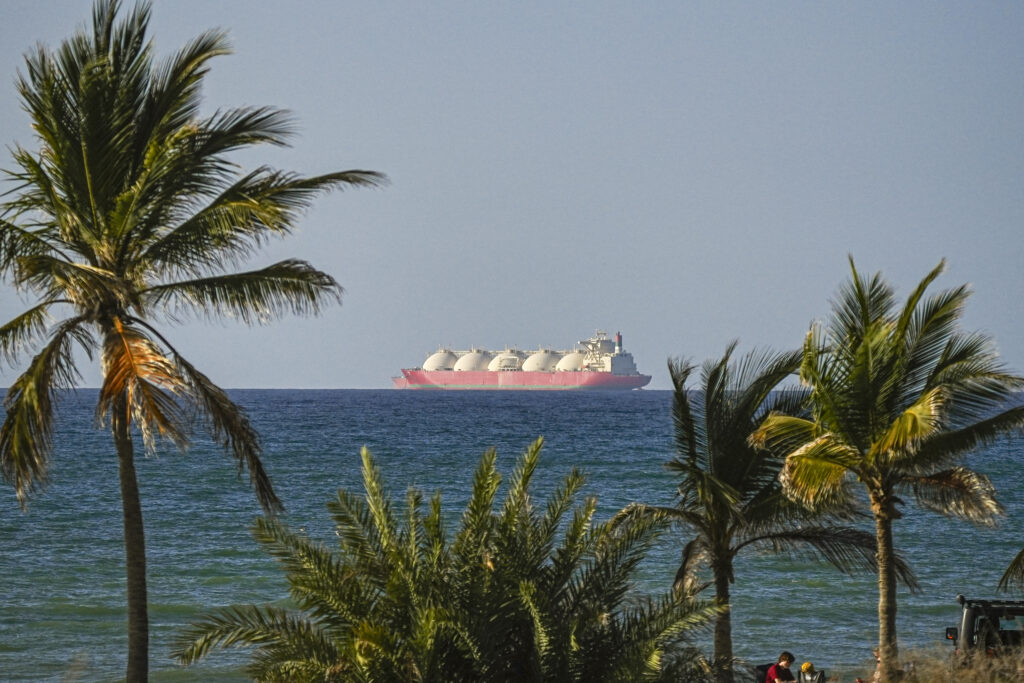
Global Economic Uncertainty Amid Iran War
The ongoing Iran war, now approaching its seventh week, has triggered serious energy crisis warnings from global financial and energy leaders. Recent reports from both the International Monetary Fund (IMF) and the International Energy Agency (IEA) paint a grim outlook for the world economy if the conflict continues. Following a short-lived ceasefire between the U.S. and Iran, renewed hostilities and a fresh U.S. blockade on Iranian ports have further destabilized the region. These developments heighten concerns about the future, as the potential for a widespread energy crisis looms large.
Energy Disruptions Threaten Global Stability
Before the war’s escalation, the IMF had projected steady global economic growth, fueled by the artificial intelligence boom and easing trade tensions. However, Pierre-Olivier Gourinchas, the IMF’s chief economist, cautioned in his World Economic Outlook that war in the Middle East could “overwhelm these underlying forces.” The recent blockade and ongoing attacks on critical energy infrastructure, especially the crucial Strait of Hormuz, have raised the specter of global recession and surging inflation. The IMF report specifically highlighted that a prolonged shutdown could have catastrophic effects, with Gourinchas warning that closure of the Strait and substantial damage to oil production facilities could trigger an energy crisis of unprecedented scale.
Sharp Decline in Oil Supply and Prices Surge
The International Energy Agency’s latest report confirms a significant global oil supply drop of 10 million barrels per day since the conflict began. March saw the largest monthly oil price jump on record, underscoring the scale of the crisis. Fatih Birol, IEA’s executive director, called the current situation “the greatest energy security threat in history” during an event at the Atlantic Council. Birol revealed that over 80 hydrocarbon sites in the Middle East—including oil and gas fields, refineries, and terminals—have been hit, with more than one-third suffering severe damage. Repairs could stretch to two years, further compounding the energy crisis.
Historical Parallels and Potential Shifts
Birol drew parallels to the oil crises of the 1970s, when Middle Eastern strife propelled a diversification of energy sources such as nuclear power, North Sea gas, and more efficient vehicles. This current crisis, he suggested, might similarly accelerate innovation and adoption of renewable energy, nuclear, and electric vehicles—though it could also lead to a short-term increase in coal-fired power to make up for lost capacity. The IMF, IEA, and World Bank jointly stated that the war’s impact is “substantial, global, and highly asymmetric,” hitting energy-importing and low-income countries hardest. They pledged coordinated policy advice and financial support to nations most affected by the energy crisis and its economic fallout.
Calls for Energy Transition and Security
In light of the escalating conflict, a group of 16 energy security experts—including ex-military leaders and academics—urged the IEA to provide governments with guidance on reducing reliance on oil and gas markets, as was done for the EU after Russia’s 2022 Ukraine invasion. Their message was clear: “Accelerating the transition to resilient and diversified energy systems is a security imperative.” Meanwhile, at a finance industry event, U.S. Treasury Secretary Scott Bessent downplayed the war’s significance and expressed skepticism about moving away from fossil fuels, favoring a shift in focus at global institutions like the World Bank and IMF away from climate change concerns.
Wider Economic and Supply Chain Impacts
Experts warn that the Strait of Hormuz shutdown could rapidly lead to critical goods shortages beyond just oil and gas. Robert Pape, a University of Chicago political science professor, noted that disruptions are already being felt in global fertilizer and helium supplies, which are closely tied to natural gas. He cautioned that markets are unprepared for the potential shortages and price shocks that could unfold within just 10 days if the situation continues.
Global Response and the Path Forward
With the spring meetings of the IMF and World Bank underway in Washington, the need for a coordinated international response to the unfolding energy crisis has never been more urgent. The ongoing Iran war serves as a stark reminder of the world’s vulnerability to geopolitical shocks and the vital importance of energy security and diversification. As leaders grapple with these challenges, the global community must act decisively to mitigate risks, support affected countries, and accelerate the transition to more resilient energy systems.
This article is inspired by content from Original Source. It has been rephrased for originality. Images are credited to the original source.