

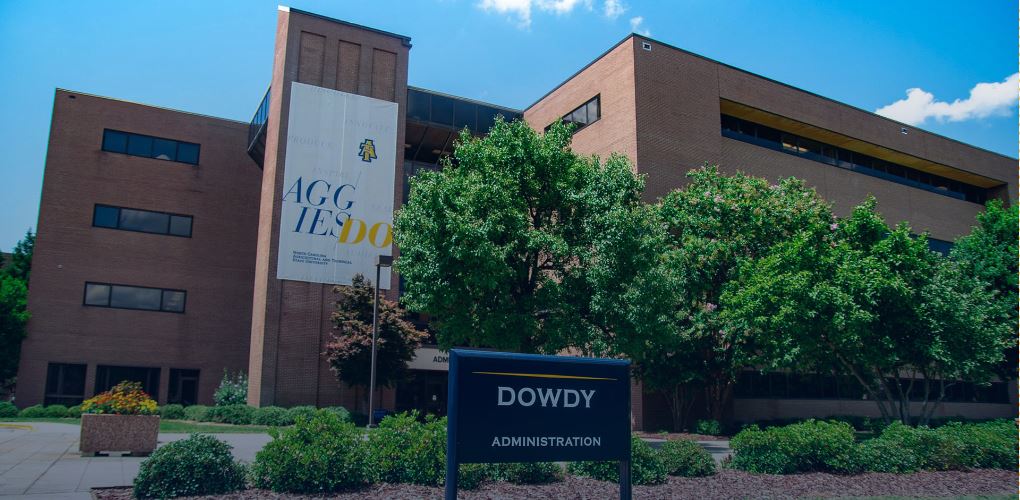
State Audit Uncovers Major Financial Aid Issues at NC A&T
Financial aid mismanagement has led to significant controversy at North Carolina A&T State University after a state audit revealed that more than $5 million in financial aid funds were mishandled. The investigation, spearheaded by the Office of the State Auditor, detailed improper awarding of scholarships and financial assistance to students who failed to meet established merit or need-based criteria.
Breakdown of the Mismanaged Funds
According to the auditor’s report, the university’s business and finance division was responsible for distributing the funds. Of the total financial aid mismanagement uncovered, over $3.2 million was allocated to out-of-state students, while $1.8 million was given to in-state students inappropriately. The report also highlighted that more than $780,000 went to students with a direct personal or professional connection to the university.
Notably, $238,000 was awarded to 24 students who were family members of university employees or employees themselves. Five of these students received a combined total of $152,255, with beneficiaries including relatives of senior university officials such as the former Real Estate Foundation director and the Associate Vice Chancellor for Campus Enterprise. In addition, business and finance staff provided nearly $543,000 in aid to 20 students with personal ties to members of their own division.
Preferential Treatment and Further Findings
The investigation into financial aid mismanagement at NC A&T also found instances of preferential treatment. For example, the former vice chancellor for business and finance gave tuition assistance and other financial aid, totaling nearly $98,000, to an out-of-state student and friends. This level of misconduct led the auditor’s office to make a criminal referral to the State Bureau of Investigation.
State Auditor Beth Wood stated, “What’s been uncovered at NC A&T represents gross misconduct.” The investigative team outlined 15 recommendations to improve oversight and strengthen the university’s financial aid approval process. Key suggestions included centralizing all award decisions within the financial aid and scholarship office and implementing stricter documentation requirements for each award granted.
University Response and Corrective Measures
In response to the findings of financial aid mismanagement, Chancellor James Martin emphasized that the university had first identified irregularities and proactively reported them to the state auditor. “Our students deserve to know that every dollar they pay is managed with integrity, and the corrective actions we have taken reflect that commitment,” said Martin in a statement.
To address the problems, the university has launched several corrective measures. These include mandatory training for all financial aid staff, development of new policies concerning the awarding of scholarships, and efforts to recover the mishandled funds. Additionally, Chancellor Martin has announced the hiring of an external audit firm to review and assess the university’s financial aid processes. The university aims to complete these actions by the end of the year, reinforcing its commitment to greater transparency and accountability.
Broader Context: A Pattern of Financial Oversight Lapses
The financial aid mismanagement at NC A&T comes on the heels of another significant financial scandal in North Carolina’s higher education system. In 2025, the state auditor’s office had found that North Carolina Central University (NC Central) recorded over $45 million in financial reporting errors. Following corrective actions, NC Central received its first clean audit in three years as of December 2025.
These recurring instances highlight the importance of robust oversight and transparent processes in managing financial aid and university finances. Universities across the state are now under increased scrutiny, with both students and the public demanding higher standards of integrity.
Looking Ahead: Strengthening Financial Aid Practices
As North Carolina A&T implements reforms, the issue of financial aid mismanagement serves as a cautionary tale for other higher education institutions. The recommendations from the state auditor’s report, if effectively enacted, could serve as a blueprint for universities seeking to bolster their financial aid systems and prevent similar mismanagement in the future.
The university’s leadership has pledged ongoing cooperation with authorities and external auditors, signaling a commitment to restoring confidence among students, parents, and the broader community. As these changes take root, the focus will remain on ensuring that financial aid is distributed fairly and transparently, upholding the integrity of the entire process.
This article is inspired by content from Original Source. It has been rephrased for originality. Images are credited to the original source.