

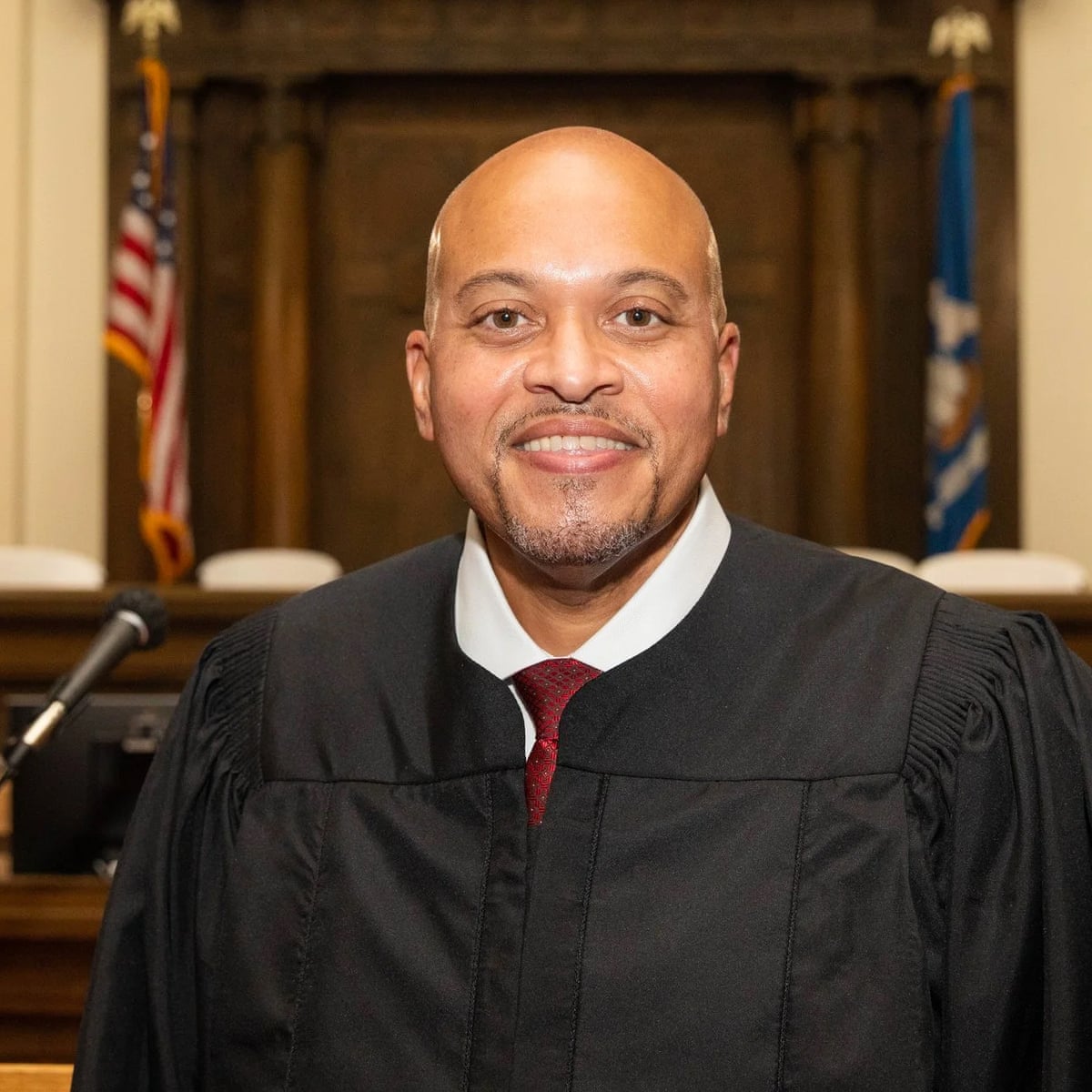
Controversy Over Judicial Impartiality in Louisiana Child Abuse Case
Judicial ethics in clergy abuse cases have come under intense scrutiny in Louisiana following Judge Kendrick Guidry’s belated recusal from a pivotal child sexual abuse lawsuit. The controversy erupted after it was revealed that Judge Guidry, who ruled in favor of a Catholic church in Lake Charles, was serving on the church’s finance committee—a fact he only disclosed after making his ruling.
The Lookback Window and Judge Guidry’s Role
At the center of this judicial ethics debate is Louisiana’s “lookback window” law, which allows survivors of past child sexual abuse to file lawsuits that would have otherwise been time-barred. The Louisiana Supreme Court has already upheld the constitutionality of this window, affirming victims’ rights to seek justice. Despite this, Judge Guidry was the only state judge to initially rule in favor of the church’s attempt to strike down the law, arguing it represented an unconstitutional taking of property.
However, Judge Guidry’s impartiality was called into question. He had disclosed his membership at Immaculate Heart of Mary church, but failed to mention his active role on its finance committee—a clear conflict of interest under judicial ethics standards. Only after a motion from the plaintiff’s attorneys did Guidry acknowledge his position, leading to his recusal from the case.
State Judicial Ethics and Recusal Standards
Legal experts, including Loyola University New Orleans law professor Diane Ciolino, have emphasized that Louisiana law requires judges to step aside when they have direct ties to parties involved in a case. “The standard is objective,” Ciolino explained. “It’s not about what the judge believes, but what a reasonable observer would think under the circumstances.”
Judicial ethics in clergy abuse cases are particularly relevant given the deep historical connections between Louisiana’s legal community and the Catholic Church. In this case, the judge’s undisclosed financial and leadership ties to the defendant church raised significant concerns about fairness and the appearance of bias.
Broader Impact of Recusal and Other Cases
Following Judge Guidry’s recusal, the case was reassigned to Judge Michael Canaday, who has previously ruled against similar church arguments in clergy abuse lawsuits. This episode is not isolated—other Louisiana judges with religious or institutional ties have faced similar scrutiny and, in some cases, have also recused themselves.
For example, federal Judge Jay Zainey recused himself from cases related to the New Orleans Catholic archdiocese’s bankruptcy after his connections to the church became apparent. Judge Greg Guidry (unrelated to Kendrick Guidry) also stepped aside from bankruptcy appeals after questions arose about his donations and relationships with church attorneys.
Victims and Advocates Respond
Advocates for abuse survivors have been outspoken about the need for transparency and adherence to judicial ethics in clergy abuse cases. Kathryn Robb, a national leader in promoting “lookback window” laws, criticized Judge Guidry for not disclosing his close relationship with the church from the outset. She highlighted the impact such conflicts have on victims’ ability to seek justice and accountability.
The recurrence of these ethical issues in the Louisiana courts underscores the importance of robust judicial oversight, particularly in cases involving powerful institutions like the Catholic Church. As dioceses across the state continue to grapple with the financial and reputational fallout from decades-old abuse scandals, the integrity of the legal proceedings remains under the microscope.
Ongoing Legal Battles and Future Implications
The controversy over judicial ethics in clergy abuse cases extends beyond Louisiana. Similar debates are surfacing across the United States as courts handle a wave of lawsuits enabled by lookback window legislation. The Louisiana experience highlights the necessity for judges to avoid not only actual bias but also the appearance of impropriety, especially in high-stakes cases involving vulnerable plaintiffs and influential defendants.
As more church abuse lawsuits proceed, the expectation is that courts will enforce stricter disclosure and recusal rules. This is vital for restoring confidence in the justice system and ensuring that survivors of abuse receive fair and impartial hearings.
Conclusion: Upholding Judicial Ethics
The case of Judge Kendrick Guidry serves as a potent reminder of the critical role that judicial ethics in clergy abuse cases play in the pursuit of justice. Only by maintaining transparency and impartiality can courts deliver meaningful accountability and uphold the rights of abuse survivors.
This article is inspired by content from Original Source. It has been rephrased for originality. Images are credited to the original source.