

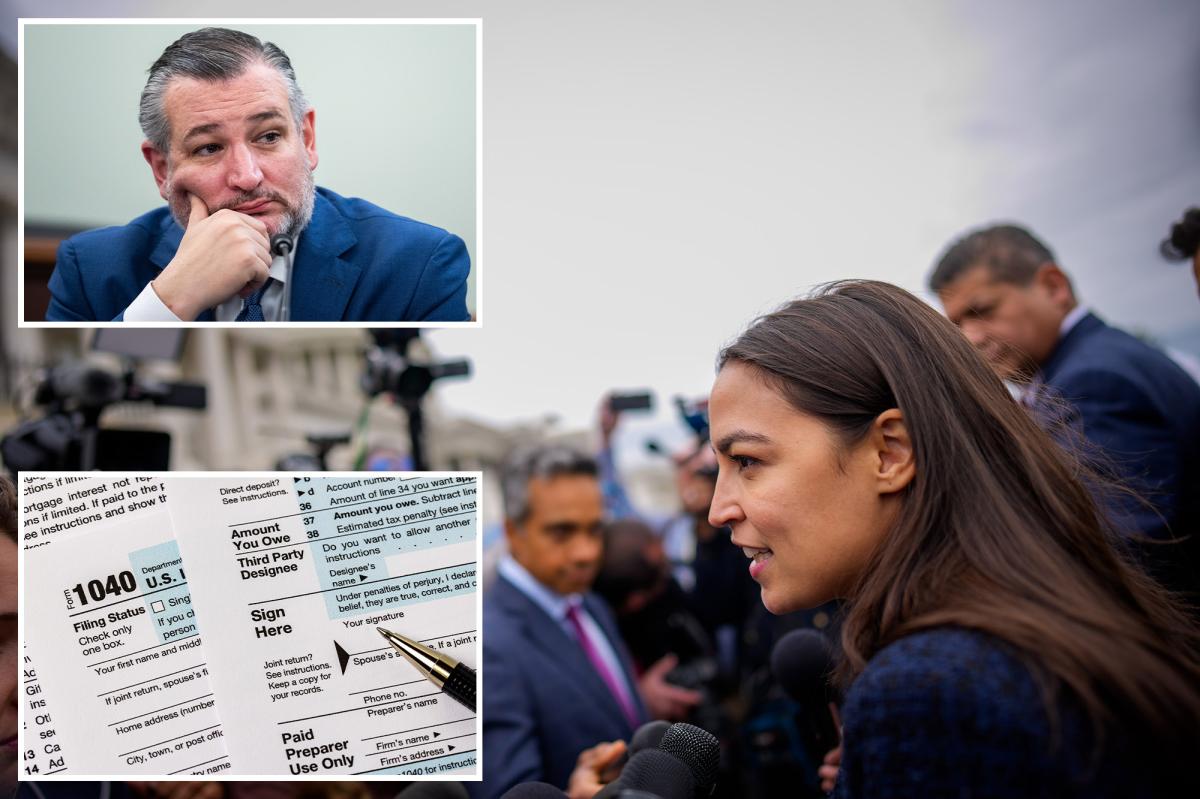
2028 Presidential Hopefuls in Congress Stall Financial Disclosures
Financial disclosure delays among 2028 presidential hopefuls in Congress are drawing scrutiny as several high-profile lawmakers seek extensions or postpone submitting their mandatory annual reports. As the race for the next White House bid begins to take shape, the issue of transparency and accountability is once again in the spotlight.
Key Lawmakers Postpone Required Filings
Potential contenders for the 2028 presidential election are reportedly stalling the annual financial disclosures required by the 1978 Ethics in Government Act. Among the notable figures is Rep. Ro Khanna (D-Calif.), a prominent Silicon Valley congressman with a net worth estimated up to $232 million. Despite his reputation as a champion for the average citizen, Khanna has become one of the most active Democratic traders in the House, according to previous reports. He has also expressed interest in a possible 2028 presidential run.
Rep. Alexandria Ocasio-Cortez (D-NY), another influential progressive, has also delayed her annual financial disclosure. Ocasio-Cortez, recognized for her passionate fundraising appeals, reported a negative net worth between $33,000 and $66,000 last year. Her ongoing engagement to Riley Roberts, announced in 2022, has allowed her to keep his assets off the official record for now. The trend of financial disclosure delays continues to raise concerns about transparency among those with presidential ambitions.
Senators and Representatives Seeking Extensions
Several other congressional leaders, including Sen. Mark Kelly (D-Ariz.), have requested formal extensions for their financial disclosure filings. Kelly, a former astronaut who banks significant income from public speaking, reportedly has a net worth of $20 million as of 2024. Meanwhile, Sen. Raphael Warnock (D-Ga.), who doubled his net worth to $2.2 million since taking office thanks in part to lucrative book deals, also features among the lawmakers under scrutiny for delayed reporting. Warnock’s financial success has enabled him to secure an impressive $1.15 million residence in Washington, D.C.
Other potential 2028 presidential candidates joining the delay include Sen. Cory Booker (D-NJ), who recently released a new book, Sen. Chris Murphy (D-Conn.), and Sen. Jon Ossoff (D-Ga.). Notably, Ossoff was recently given a derisive nickname by former President Trump, highlighting the political tensions surrounding these lawmakers as they weigh future campaigns.
Republican Contenders Also Postpone Filings
The trend of delayed financial disclosures is not limited to Democrats. On the Republican side, Sen. Ted Cruz (R-TX), with an estimated net worth of $12 million, has yet to file his annual report. Cruz’s wife, Heidi Cruz, serves as a Goldman Sachs executive, adding further interest to their financial disclosures. Sen. Tim Scott (R-SC), another GOP presidential hopeful, last reported a net worth of $6 million. Both senators’ delays have attracted attention from watchdog groups and political observers alike.
Political and Administrative Motives Behind Delays
According to Tom Fitton, president of Judicial Watch, there are both political and administrative advantages to postponing financial disclosure. For lawmakers like Ocasio-Cortez who are facing primary challenges, delaying the release of financial information could provide a strategic edge. Fitton suggests that some lawmakers may also want to ensure the accuracy of their reports to avoid the kind of scrutiny faced by Rep. Ilhan Omar (D-Minn.), whose own financial disclosures brought about multiple investigations due to claims of significant financial gains.
Ethics in Government Act: A Mandate for Transparency
The 1978 Ethics in Government Act was established to promote transparency among elected officials by requiring annual financial disclosures. These reports are intended to reveal potential conflicts of interest and allow the public to hold lawmakers accountable. While extensions are permitted under certain circumstances, the growing trend of delays among those with presidential aspirations has raised concerns among ethics advocates and voters alike.
Public Scrutiny Intensifies
As the 2028 election approaches, the issue of financial disclosure delays is likely to remain a hot topic. With both parties represented among those postponing their filings, the debate over transparency and accountability in Congress will continue to shape public opinion. Watchdog groups and the media are expected to keep a close eye on whether these lawmakers ultimately comply with the law and disclose their financial details before launching full-scale presidential campaigns.
Conclusion
The ongoing pattern of financial disclosure delays among congressional 2028 presidential hopefuls underscores the importance of transparency in the nation’s political process. As voters demand greater accountability, the actions of these lawmakers may influence not only their own campaigns, but the broader conversation about ethics and trust in government leadership.
This article is inspired by content from Original Source. It has been rephrased for originality. Images are credited to the original source.