

Senate Impeachment Court Requests Financial Documents
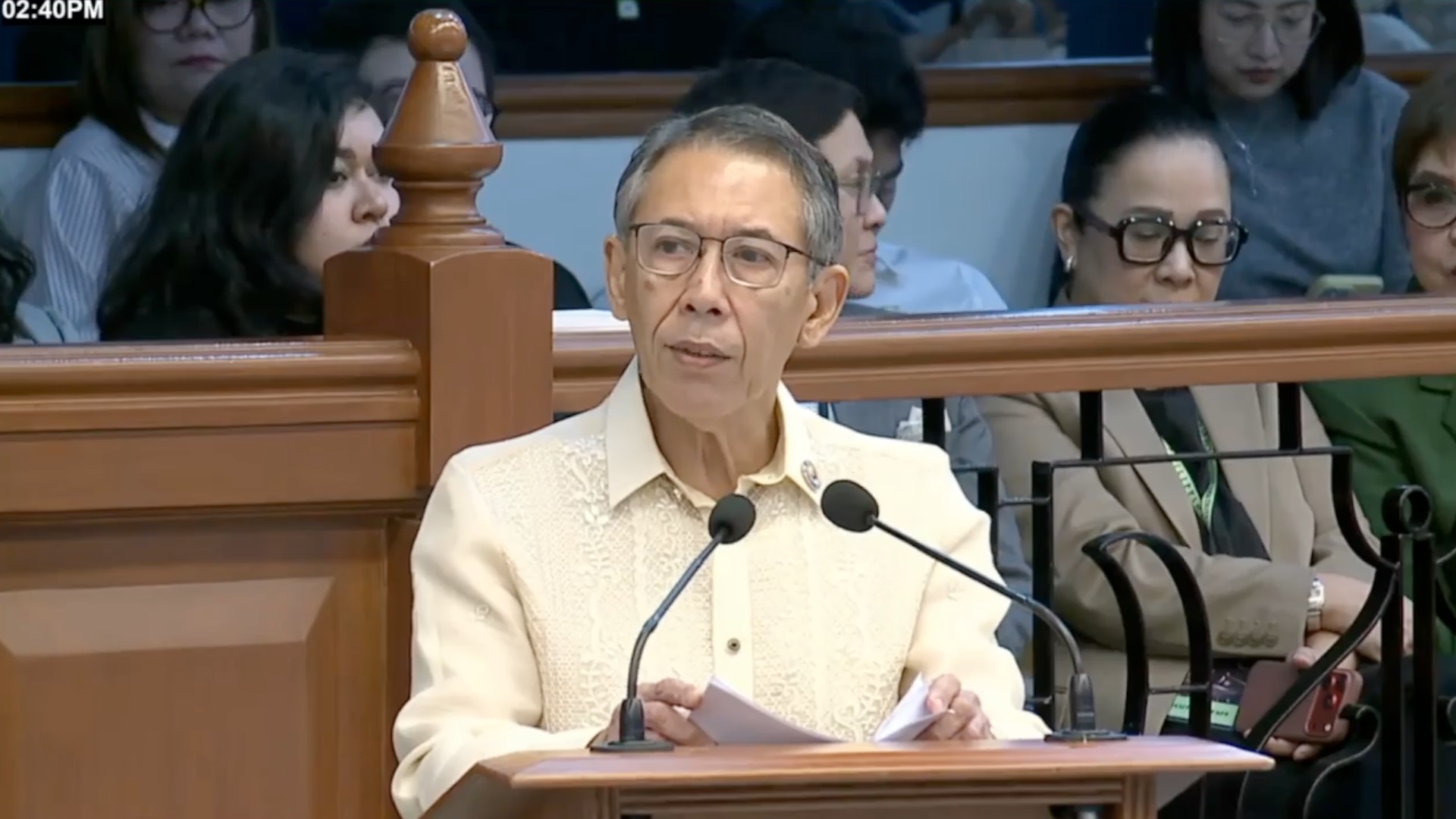
The ongoing impeachment proceedings involving Vice President Sara Duterte have taken a significant turn, as the Senate impeachment court is formally seeking her financial records. This development centers on the need for comprehensive financial documentation, including bank statements and tax returns, to determine whether unexplained wealth exists in the Vice President’s assets. House prosecutor Rep. Chel Diokno emphasized that reviewing the full financial picture is essential for a fair and thorough investigation.
Supreme Court Jurisprudence on Unexplained Wealth
During the proceedings, Rep. Diokno responded to queries from Senator-judge Joel Villanueva, highlighting that Supreme Court decisions require authorities to examine not just a public official’s Statement of Assets, Liabilities, and Net Worth (SALN), but also their total income and banking transactions. Diokno stated, “A SALN is merely like a snapshot. The ITR [income tax return] is just like a short video. We can only see the entire picture when we have obtained bank records, because it’s in what goes in and out of an account that we can get that.” This approach aligns with established legal standards around unexplained wealth cases in the Philippines.
Legal Basis for Requesting Financial Documents
To support the prosecution’s stance, Diokno cited the Supreme Court ruling in DOF-Revenue Integrity Protection Service v. Merencilla. The decision underscored the necessity of evaluating all possible sources of income and changes in net worth over time. According to the ruling, failing to consider a government official’s full financial circumstances undermines any conclusion about unexplained wealth. Diokno explained that the House prosecution is following this principle by asking the Senate impeachment court to issue subpoenas for bank, tax, and Anti-Money Laundering Council records.
Why Financial Documents Are Essential
Diokno stressed the limitations of relying solely on SALNs and tax returns, noting that these documents only offer a partial view of a public servant’s finances. “That’s why we’re asking for the BIR records, along with the bank records, and even the Anti-Money Laundering Council records so we can see the whole story as far as both the assets, liabilities, and net worth are concerned, and the lawful, and if there is any, unlawful income, acquired by the respondent,” he said. The goal is to ensure that the Senate impeachment court has access to every relevant detail, enabling a just evaluation of the unexplained wealth allegations.
The Role of Subpoenas in the Investigation
During the hearing, Diokno clarified that obtaining these financial documents hinges on the court’s ability to issue subpoenas. He noted, “A subpoena is the only way for the court to get the data, information, and documents that we need. The issue of admissibility will come later, and the defense will have sufficient opportunity to object and to oppose.” This process ensures due process for all parties involved, with the admissibility of evidence to be determined at a later stage in the trial.
Implications for Public Accountability
The Senate’s pursuit of Vice President Duterte’s financial records underscores the importance of transparency and accountability among public officials. By adhering to Supreme Court precedents and requiring a thorough review of all financial documentation, the impeachment court aims to set a high standard for investigating unexplained wealth in government. This approach not only addresses the specific circumstances of the case but also reinforces broader principles of good governance in the Philippines.
Conclusion: The Path Ahead
As the impeachment process moves forward, the focus on unexplained wealth and the need for comprehensive financial records will remain at the center of the proceedings. The Senate’s decision to seek these documents highlights the legal and ethical imperatives that guide high-profile investigations into public officials’ financial conduct. The outcome of this case may have lasting implications for how similar allegations are handled in the future, ensuring that public accountability remains a cornerstone of Philippine democracy.
This article is inspired by content from Original Source. It has been rephrased for originality. Images are credited to the original source.