

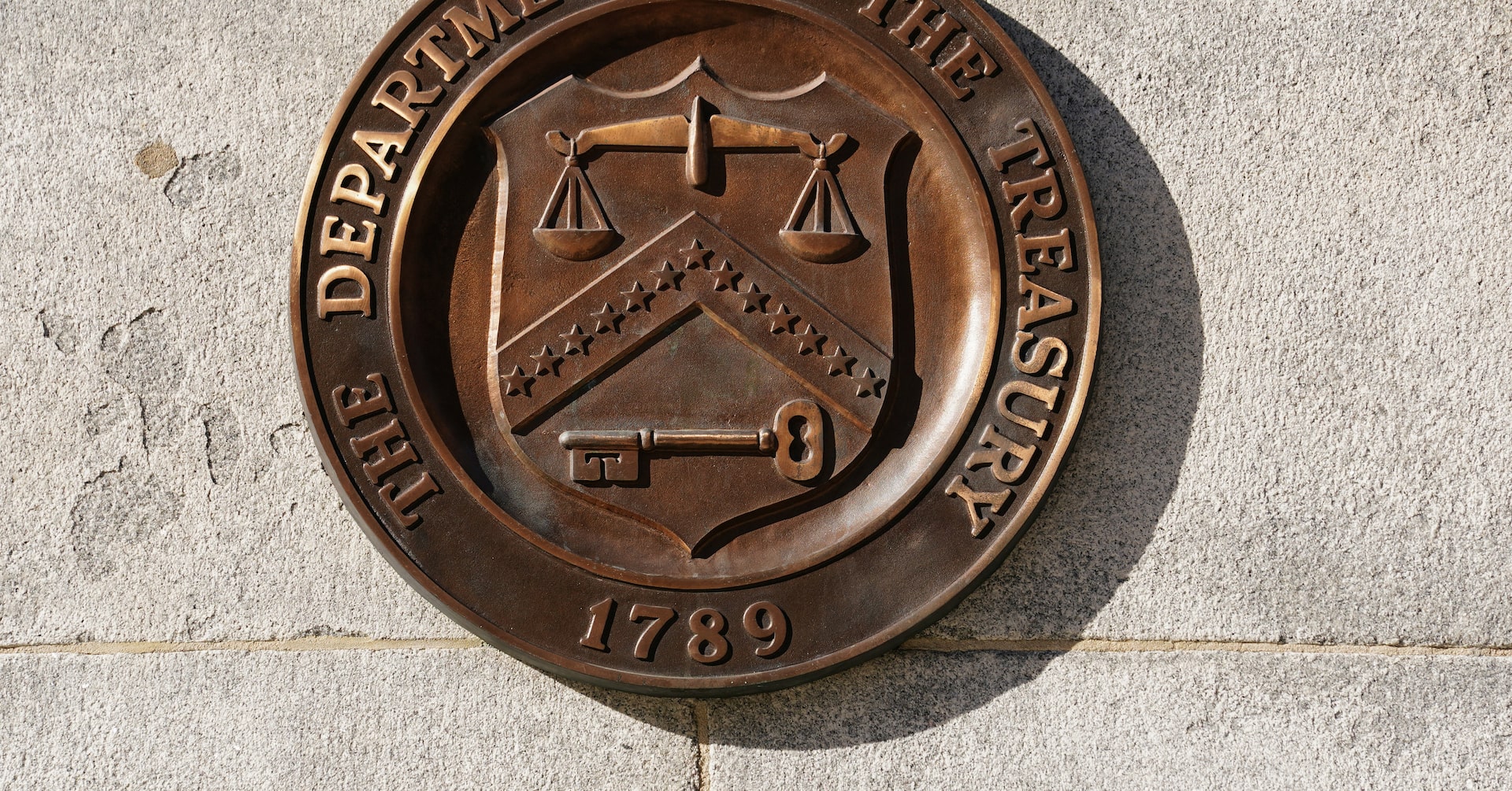
US Treasury Extends Deadline on Fentanyl Sanctions
The U.S. Department of the Treasury has announced an extension of a key deadline related to sanctions imposed on three major Mexican financial institutions. The new cutoff date has been moved to September 4, providing additional time before the enforcement of restrictions on specific financial transactions.
The sanctions, initially imposed last month, target CiBanco, Intercam Banco, and Vector Casa de Bolsa. These institutions were designated as entities of primary money laundering concern, allegedly linked to fentanyl trafficking operations. The move is part of Washington’s ongoing battle against the opioid epidemic, with a particular focus on the financial networks that facilitate the international drug trade.
Background of the Sanctions
Last month, the U.S. Treasury imposed sanctions on these financial firms, citing their alleged roles in laundering money associated with fentanyl distribution. These actions fall under the USA PATRIOT Act, which allows the Treasury to take steps against institutions suspected of facilitating illicit financial flows.
The extension comes amid ongoing discussions between U.S. and Mexican officials. According to a statement from Mexico’s Ministry of Finance, the decision to delay the sanctions was the result of “dialogue and collaboration” with U.S. financial authorities.
Mexico’s Response and Concerns
The Mexican government has expressed discontent with the original sanctions, noting that they were applied unilaterally by the United States. Mexican officials claim that no evidence was presented to support the accusations of money laundering. In response to the sanctions, Mexico took temporary control of the three named institutions. This move aimed to safeguard the interests of depositors and creditors, and to maintain financial stability.
“We welcome the opportunity to work cooperatively with our U.S. counterparts,” said a spokesperson for the Mexican finance ministry. “However, we also believe that transparency and evidence-sharing are critical to ensuring fair treatment.”
Implications for the Financial Sector
The designation of these institutions as money laundering concerns has already had significant ramifications. U.S. financial institutions are now required to implement enhanced due diligence measures when dealing with transactions involving the three Mexican firms. Failure to comply could result in penalties under U.S. law.
Furthermore, the sanctions have prompted anxiety among international investors and financial analysts, who are closely watching how the situation unfolds. According to market observers, the temporary management of the banks by Mexican authorities has helped to stabilize the immediate impact, but uncertainty remains.
“This is a delicate situation. Any time major financial institutions are implicated in international sanctions, it sends shockwaves through the markets,” said a Latin America-focused financial analyst.
US-Mexico Collaboration Moving Forward
Despite the tensions, both governments appear committed to working together. The extended deadline offers additional time for bilateral discussions and potentially the sharing of intelligence that could clarify the basis for the sanctions.
The U.S. has made it clear that its priority remains the disruption of drug trafficking networks, particularly those trafficking fentanyl into American communities. Fentanyl, a synthetic opioid, has been at the center of a public health crisis in the United States, with overdose deaths skyrocketing in recent years.
Washington believes that targeting the financial infrastructure of these networks is essential to curbing the flow of dangerous substances. Officials argue that cracking down on money laundering is one of the most effective ways to disrupt the operations of drug cartels.
Looking Ahead
The extension to September 4 gives stakeholders a narrow window to resolve key issues. It remains to be seen whether the U.S. will provide the evidence demanded by Mexico or whether the involved institutions can take steps to remove themselves from the sanctions list.
For now, financial institutions, investors, and regulators on both sides of the border are watching closely. The situation underscores the complex balance between national security concerns and international financial cooperation.
This article is inspired by content from Original Source. It has been rephrased for originality. Images are credited to the original source.