

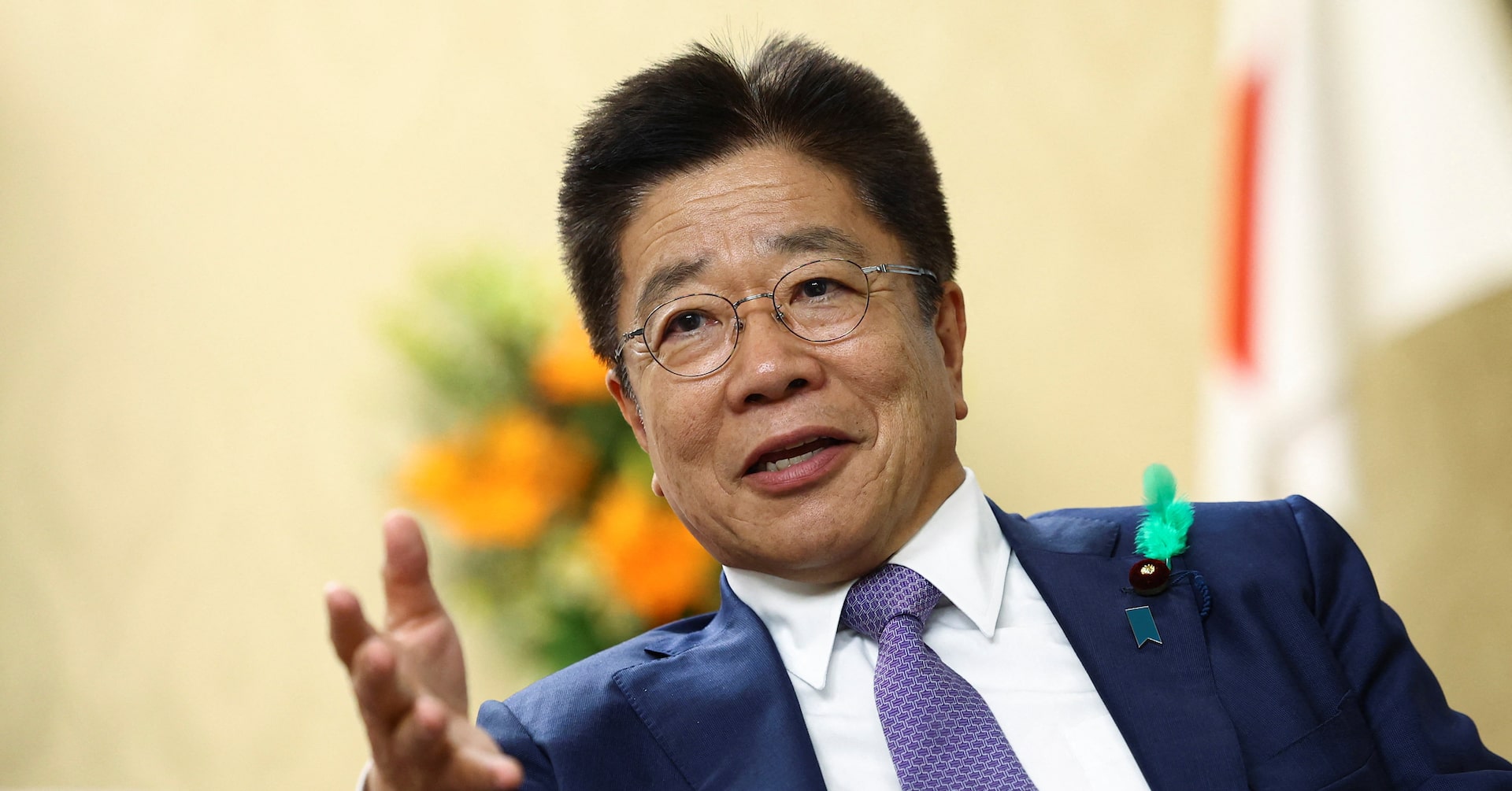
Japan’s Finance Minister Calls for FX Market Stability
On July 18, 2025, Japanese Finance Minister Katsunobu Kato emphasized the need for heightened vigilance against excessive volatility in foreign exchange (FX) markets. Speaking at a meeting of finance leaders from the Group of 20 (G20) major economies held in South Africa, Kato voiced concerns over speculative movements that may destabilize currency markets.
“I told the meeting that based on existing G20 foreign exchange commitments, we should continue to be cautious about excessive volatility driven by speculative movements,” Kato stated during a press conference following the first day of the summit.
Yen Weakens Amid Political Uncertainty
The urgency of Kato’s message comes as the Japanese yen dipped to its weakest level against the U.S. dollar since early April and reached a one-year low versus the euro. This decline is attributed in part to growing political uncertainty, with recent polls indicating that Prime Minister Shigeru Ishiba’s coalition may lose its majority in the upper house of parliament.
Market participants have been closely watching Japan’s political landscape, as instability can often lead to heightened market volatility and risk aversion. The weakening of the yen raises concerns for Japan’s export-driven economy, as well as for financial institutions managing currency risks.
Calls for Cooperative Dialogue on Trade Imbalances
Beyond currency volatility, Kato also addressed broader economic concerns, particularly the impact of U.S. tariffs on global trade and financial markets. He stressed that unilateral tariff measures are ineffective in addressing economic imbalances and called for a multilateral approach.
“Tariffs are not an appropriate measure to correct the current account imbalance,” Kato noted. “The G20 should resolve such issues through calm and constructive dialogue rather than through protectionist actions.”
These comments reflect Japan’s longstanding position advocating for open trade and coordinated international responses to global economic challenges.
Global Market Reactions and Policy Implications
Kato’s remarks come at a time when global financial markets are experiencing significant shifts. The U.S. Federal Reserve’s interest rate policies, geopolitical tensions, and trade disputes have all contributed to uncertainties in currency markets. Japan, which relies heavily on exports, is particularly sensitive to these fluctuations.
Financial analysts noted that Kato’s statements signal Japan’s readiness to engage actively in international economic discussions. They also suggest that Japan may consider domestic interventions if currency volatility threatens economic stability.
G20 Finance Leaders Share Economic Outlooks
The G20 meeting offered finance ministers and central bank governors a platform to share their views on the global economy. While all countries acknowledged the benefits of open markets, there was a divergence of opinions on how to address rising protectionism and currency manipulation.
Some participants called for stronger enforcement of existing trade rules, while others advocated for greater flexibility to manage domestic economic pressures. Despite these differences, there was a general consensus on the need for stability and predictability in currency markets.
Japan’s Ongoing Economic Strategy
Japan’s economic policy has long focused on achieving financial stability, sustainable growth, and avoiding deflation. Currency management plays a crucial role in this strategy. The Bank of Japan (BOJ) has maintained an ultra-loose monetary policy for years, aiming to stimulate domestic demand while keeping inflation under control.
However, the weakening yen poses challenges for Japanese consumers by increasing the cost of imported goods, even as it provides a temporary boost for exporters. Policymakers must now balance these competing interests while maintaining investor confidence.
Looking Ahead
As the global economy navigates a complex landscape of trade tensions, political shifts, and market volatility, Japan’s call for vigilance and cooperation underscores the importance of multilateral dialogue. Kato’s emphasis on avoiding speculative-driven volatility positions Japan as a steady voice in turbulent times.
With upcoming elections and economic decisions on the horizon, the Japanese government’s stance on currency stability will likely remain in the spotlight. Observers will also be watching how Japan’s G20 counterparts respond to calls for a more collaborative and less confrontational approach to global economic management.
This article is inspired by content from Original Source. It has been rephrased for originality. Images are credited to the original source.