

Understanding the Financial Confidence Gap
The financial confidence gap refers to the disparity in how secure individuals feel when managing their personal finances. This divide particularly affects women and minority groups, who often report lower levels of financial literacy and confidence compared to their counterparts. Closing this gap is critical not just for individual prosperity but for building a more inclusive and balanced economy.
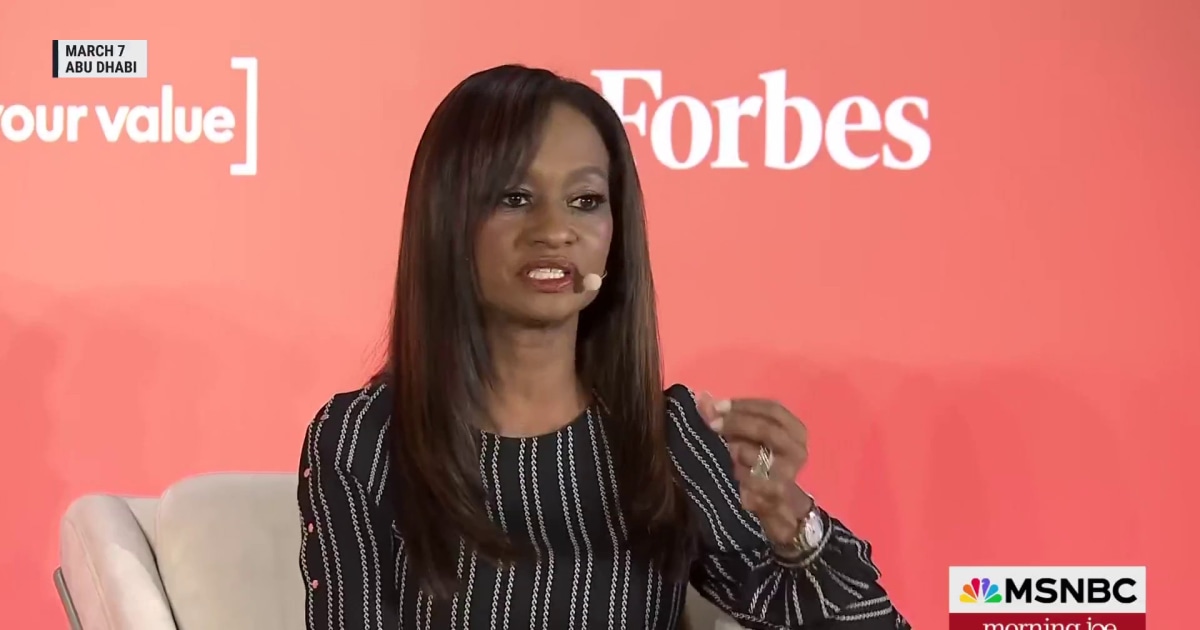
Racquel Oden, the Head of International Wealth and Private Banking for HSBC US, recently appeared on Morning Joe to discuss this pressing issue. Oden emphasized the importance of financial education, access to resources, and the role that financial institutions play in empowering underserved communities.
The Importance of Financial Literacy
Financial literacy is the foundation of confidence. Yet, many Americans lack basic financial knowledge, including understanding how credit works, how to save for retirement, and how to manage debt effectively. Oden stressed that closing the confidence gap starts with education—both formal and informal. “Education is power,” she said. “And when people are educated about their finances, they’re more likely to feel confident in their decisions.”
Programs focused on financial education can help individuals make informed choices about budgeting, investing, and saving. HSBC has launched initiatives aimed at improving financial literacy in underserved communities through workshops, digital tools, and one-on-one financial coaching.
Access to Financial Services
Beyond education, access plays a vital role. Many people in marginalized communities do not have access to traditional banking services or financial advisors. This lack of access hinders their ability to grow wealth and plan for the future. Oden pointed out that financial inclusion is key to building confidence. “When people can access the tools they need, they start to trust themselves and the system,” she said.
HSBC is working to bridge this gap by offering inclusive financial products and services tailored to diverse needs. This includes digital banking platforms that make it easier for people to manage their money from anywhere, as well as multilingual customer support to serve non-English-speaking communities.
The Role of Representation
Another crucial element in closing the financial confidence gap is representation. When people see financial experts who look like them and come from similar backgrounds, they are more likely to feel empowered to seek advice and take control of their finances. Oden, a trailblazer herself, has made it her mission to mentor young professionals and promote diversity within the financial sector.
“When you see someone who’s walked your path and succeeded, it becomes easier to believe that you can do it too,” she shared. Representation not only inspires individuals but also fosters trust in financial institutions that have historically excluded certain populations.
Changing the Narrative Around Money
Part of building financial confidence involves changing how we talk about money. In many cultures, financial discussions are considered taboo, which can lead to misinformation and missed opportunities. Oden advocates for open, honest conversations about money—at home, in schools, and within communities.
“We need to normalize financial discussions and make it okay to ask questions,” she said. Encouraging transparency can demystify the financial world and give individuals the tools they need to succeed.
How Employers and Institutions Can Help
Employers and financial institutions have a significant role to play in closing the gap. Providing financial wellness programs, offering retirement planning resources, and supporting employee financial education can make a big difference. Oden believes that these initiatives not only help employees but also benefit organizations by fostering a more engaged and stable workforce.
HSBC is leading by example, investing in educational outreach and partnering with community organizations to bring financial literacy to those who need it most. “It’s about meeting people where they are and giving them the tools to build a better future,” Oden concluded.
Looking Ahead
Closing the financial confidence gap won’t happen overnight, but with sustained effort from individuals, institutions, and communities, progress is possible. By prioritizing education, access, representation, and open dialogue, we can create a more financially confident and equitable society.
Racquel Oden’s insights underscore the importance of a collective approach. Everyone has a role to play in fostering financial empowerment—whether it’s teaching a child about saving, advocating for inclusive banking policies, or mentoring the next generation of financial leaders.
This article is inspired by content from Original Source. It has been rephrased for originality. Images are credited to the original source.