

Russia Plans to Expand Borrowing in 2025
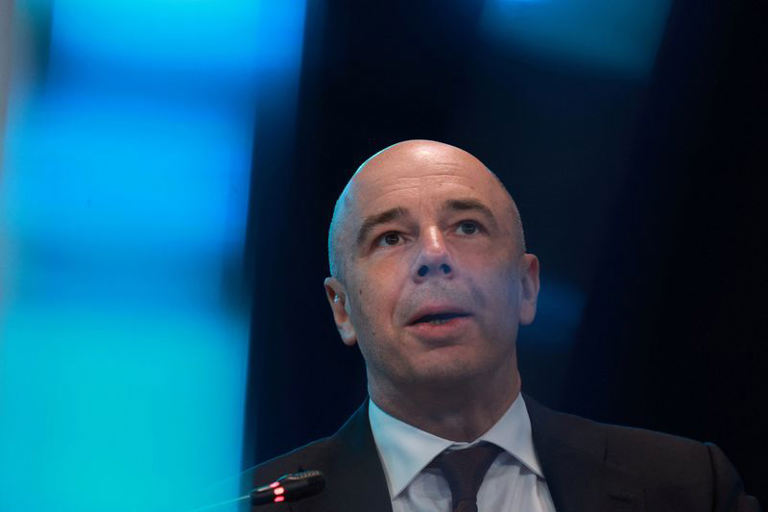
Russia is preparing to borrow more than initially anticipated in 2025, according to Finance Minister Anton Siluanov. The move comes amid ongoing financial pressures and an evolving economic landscape shaped by international sanctions and military expenditures.
Rising Fiscal Needs Drive Borrowing Strategy
Speaking at a financial forum in Moscow, Siluanov indicated that the country’s borrowing needs will exceed earlier plans due to higher budgetary spending. He emphasized that the government must address increased costs linked to national priorities, including defense, infrastructure, and social programs.
“We will have to borrow more,” Siluanov stated. “The current budgetary situation requires additional financing to fulfill all our obligations and strategic initiatives.”
Budget Deficit and Economic Pressures
Russia is facing a growing budget deficit as it continues to allocate significant funds toward its military operations and economic stabilization efforts. The war in Ukraine has strained government resources, leading to a notable increase in defense spending. Simultaneously, Western sanctions have limited Russia’s access to global markets and foreign investment.
To bridge the fiscal gap, the government is relying more heavily on domestic borrowing. Analysts suggest that this trend will likely persist into 2025 and potentially beyond.
Domestic Bonds as a Primary Tool
Siluanov confirmed that the Finance Ministry plans to issue more domestic bonds to meet its funding requirements. The country has increasingly used ruble-denominated bonds to raise capital from local investors, a tactic that reduces reliance on external financing sources and mitigates exposure to currency fluctuations.
“The domestic bond market remains our primary tool for securing additional funds,” Siluanov explained. “We’ve seen strong interest from institutional investors, which gives us confidence in our ability to manage the increased borrowing.”
Government Spending Priorities
In discussing the 2025 budget, Siluanov highlighted several areas of focus for increased spending. These include military modernization, public sector wages, healthcare improvements, and investment in key infrastructure projects. The Finance Ministry is working to balance these priorities while maintaining a sustainable fiscal strategy.
“Our goal is to support economic growth and social stability,” he said. “This requires targeted investments that will yield long-term benefits for the Russian economy and society.”
Market Reactions and Investor Sentiment
Financial markets have responded cautiously to news of the planned increase in borrowing. While some investors express concern about potential inflationary pressures and currency volatility, others view the government’s proactive approach as a sign of fiscal responsibility.
Analysts note that Russian bonds continue to offer attractive yields, especially in a low-interest-rate environment globally. As long as demand remains strong, the government is expected to meet its borrowing targets without major disruptions.
Outlook for 2025 and Beyond
Looking ahead, the Finance Ministry aims to refine its fiscal policy framework to ensure stability amid economic uncertainty. The increased borrowing plan will be accompanied by efforts to boost revenue through tax reforms and improved budget efficiency.
Siluanov stressed that the government remains committed to maintaining debt at manageable levels. Currently, Russia’s public debt is relatively low compared to other major economies, providing some flexibility in its fiscal planning.
“We are carefully monitoring our debt dynamics,” he said. “Our objective is to support the economy without compromising financial sustainability.”
Conclusion
As Russia prepares for a more demanding fiscal environment in 2025, the Finance Ministry’s decision to increase borrowing reflects the government’s attempt to adapt to shifting priorities and economic challenges. With domestic bond markets playing a central role, the country hopes to navigate these pressures while supporting growth and social stability.
This article is inspired by content from Original Source. It has been rephrased for originality. Images are credited to the original source.