

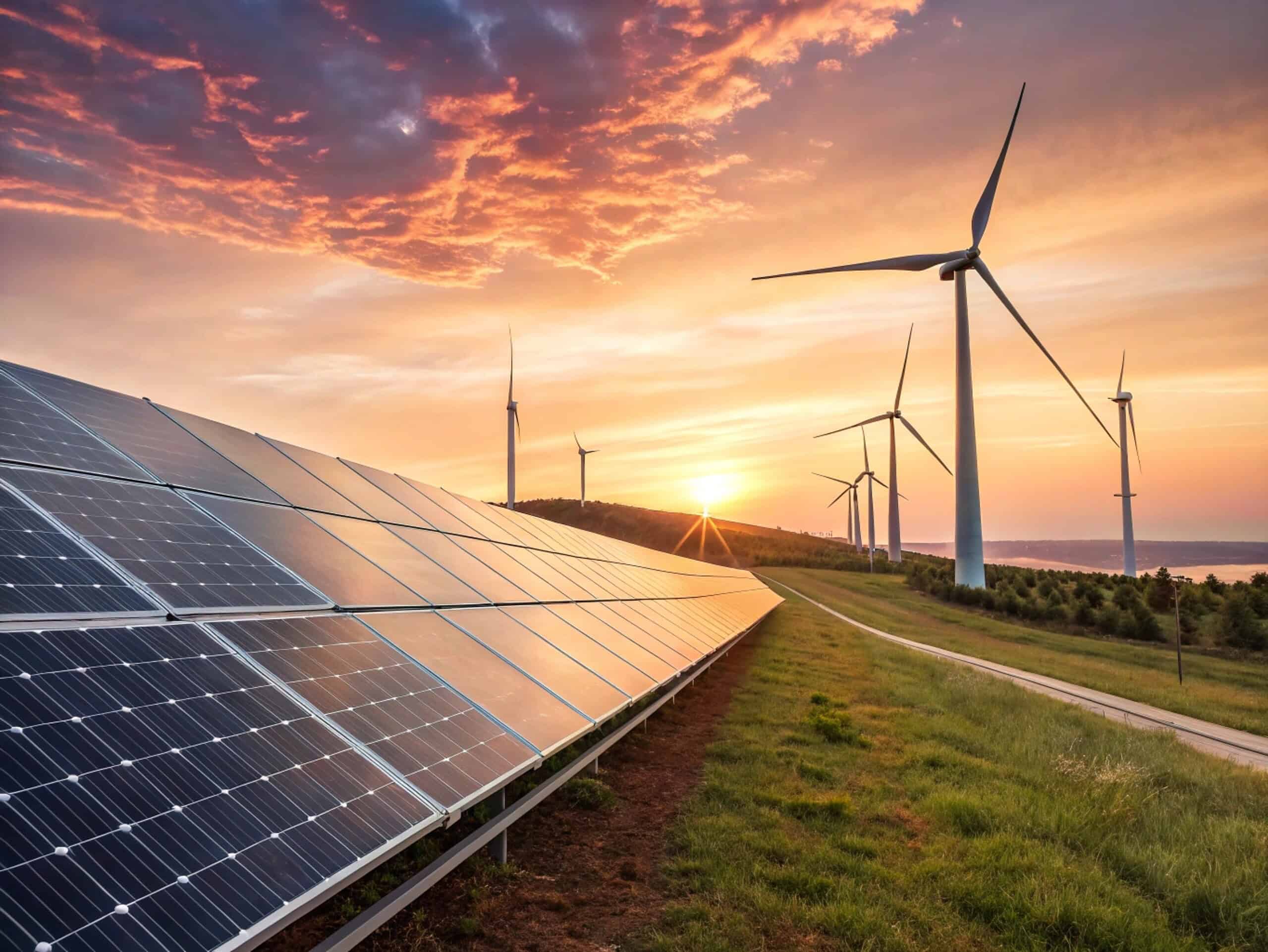
Global Shift: Renewables Overtake Coal in Power Generation
Nearly a decade after the Paris Agreement set the stage for a greener planet, renewable energy has officially taken the lead over coal as the primary source of electricity worldwide. According to new data from climate think tank Ember, which analyzed statistics from 88 nations accounting for 93% of global electricity consumption, solar and wind power have grown at a pace that now exceeds rising global electricity demand.
Solar energy has been the standout contributor to this transformation. The cost of solar power has plummeted by an astonishing 99.9% over the past five decades. This dramatic price drop has enabled countries with expensive or unreliable grids to implement large-scale solar energy initiatives with remarkable speed—some within the span of a single year.
Surge in Solar Output Meets Global Demand
During the first half of 2025, global solar energy output rose by nearly 33% compared to the same period in the previous year. This surge was significant enough to meet 83% of the global increase in electricity demand on its own. As a result, total renewable energy—including solar, wind, hydro, and bioenergy—accounted for 34.3% of worldwide electricity generation. In contrast, coal’s share fell to 33.1%, marking a pivotal moment in the global energy landscape.
This shift emphasizes the dramatic transformation in power generation strategies, especially in emerging economies that are quickly adopting clean energy technologies. The rapid pace of change also signals that renewables are not just environmentally necessary but economically viable and scalable worldwide.
China and India Lead Renewable Surge
Interestingly, the acceleration in renewable adoption is being driven not by Western nations, but by developing countries—most notably China and India. China stands out as the global leader in clean energy progress. The country witnessed a 4.2% increase in electricity demand, yet still managed to reduce fossil fuel use by 2% thanks to rapid clean energy expansion. This was made possible by aggressive investments in solar and wind infrastructure.
India also made notable advances. Despite experiencing a more modest 1.3% growth in electricity demand, the country significantly increased its solar and wind capacity. This resulted in a 3.6% reduction in fossil fuel usage, demonstrating effective alignment between energy policy and sustainability goals.
Stagnation in the West: US and EU Struggle
Meanwhile, progress in Western nations has been less encouraging. The United States and the European Union have faced various setbacks that hindered their transition away from fossil fuels. In the US, robust growth in electricity demand outpaced the expansion of clean energy infrastructure. This shortfall was exacerbated by high natural gas prices, which led to a temporary switch from gas to coal, driving a 4.3% increase in emissions.
The EU encountered its own set of challenges. Although solar energy continued to grow, unfavorable wind conditions severely impacted wind power generation. Additionally, extreme droughts led to significant declines in hydropower output. To compensate for these shortfalls, the region turned to coal and gas, resulting in a 4.8% rise in fossil fuel-based electricity generation.
Policy Impacts and Future Outlook
The disparity between emerging and developed nations is expected to grow, particularly in the US, where recent policy shifts have reduced clean energy subsidies. This rollback could further slow the country’s transition to renewable energy sources.
Despite these regional differences, the global trend remains clear. Solar and wind are not only becoming more affordable but are also increasingly seen as engines of economic modernization. These energy sources are enabling both low-income nations and powerful emerging economies to leapfrog traditional fossil-fuel-based infrastructure in favor of a more sustainable and resilient energy future.
The implications are profound: as renewable technologies continue to evolve and gain traction, they could redefine the global energy hierarchy and offer a viable path toward meeting international climate goals.
This article is inspired by content from Original Source. It has been rephrased for originality. Images are credited to the original source.