

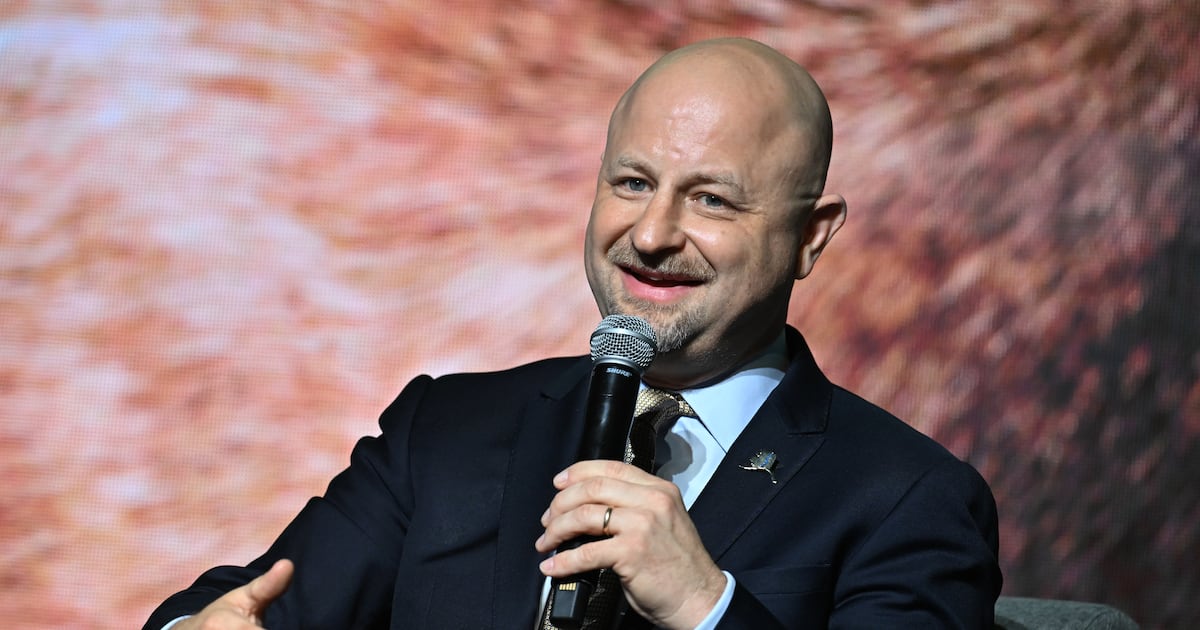
Glenfarne’s Alaska LNG Project Awaits Crucial Tax Legislation
Alaska LNG project financing has reached a pivotal stage, with Glenfarne Group LLC’s CEO Brendan Duval announcing that the company is close to making a final investment decision—provided the Alaska Legislature passes favorable tax legislation. Speaking at the Alaska Sustainable Energy Conference in Anchorage, Duval highlighted the project’s dependence on legislative and regulatory approvals before construction of the ambitious 800-mile pipeline can begin.
Legislative Hurdles Stand Between Financing and Construction
The Alaska LNG project aims to transport North Slope natural gas to Southcentral Alaska, supplying local customers by 2029 and targeting Asian LNG exports by 2031. Project costs have hovered around $45 billion for nearly a decade, making Alaska LNG project financing a complex undertaking. Governor Mike Dunleavy has called a special legislative session to focus on passing tax relief measures that would make the project viable.
However, negotiations have been fraught with challenges. A crucial measure, introduced by Alaska House Majority Leader Chuck Kopp, sought to eliminate traditional property taxes for the project and replace them with a smaller gas tax. While this proposal was not identical to the governor’s original plan, Duval confirmed it would have been sufficient to secure necessary financing, describing it as “a very tight financing, but a doable financing.” Unfortunately, lawmakers narrowly failed to pass the bill as the session neared its end, leaving the future of the project uncertain.
Financing Contingent on Tax Legislation and Regulatory Approvals
Duval revealed that leading global project finance banks have shown strong interest, offering proposals that could enable Glenfarne to make a final investment decision once legislative and regulatory conditions are met. The company is also awaiting approval from the Regulatory Commission of Alaska for a gas purchase agreement with Enstar, Southcentral Alaska’s main gas supplier. These agreements are critical to finalizing Alaska LNG project financing and moving forward with construction.
“Once we finish up some of these agreements, possibly this tax bill out of Juneau, I can make a final investment decision,” Duval stated. The commitment from the banks, coupled with interest from other companies involved in the project, underscores the importance of legislative action. Both the Alaska House and Senate have pledged to seriously consider the tax bill during the special session, though they acknowledge the complexity of meeting all the governor’s requirements.
Project Timeline and Industry Support
If the tax and regulatory hurdles are cleared, Glenfarne plans to mobilize contractors as early as the first quarter of 2027. The company aims to have construction seasons running through 2027 and 2028, with commissioning targeted for 2029, allowing for gas delivery to Alaskans by the end of that year.
Glenfarne has already established preliminary agreements with major North Slope gas producers Hilcorp, ExxonMobil, and ConocoPhillips. These deals outline key terms and conditions for gas supply, setting the stage for final contracts once the project’s Alaska LNG project financing is secured. The company, though private, is exploring ways to share relevant financial data with legislative committees while safeguarding confidentiality.
Community and Political Responses
Despite delays in making the final investment decision—originally expected in December—Glenfarne remains optimistic. CEO Duval emphasized the broad support from Alaskans for the Alaska LNG project, pointing out the significant momentum achieved in just a short legislative window. “The amount of momentum and the pace that we got, I think we can get something sorted in this extended session,” Duval said.
However, skepticism remains among some lawmakers and critics who cite delays and a lack of financial transparency as potential red flags. House Speaker Bryce Edgmon noted the limited information available about Glenfarne’s plans, while others question whether the project will ultimately be realized. Nonetheless, Glenfarne is pressing forward, with hopes of shipping pipeline materials to Alaska this summer and beginning construction by year’s end, contingent on securing all necessary approvals.
Conclusion: The Road Ahead for Alaska LNG Project Financing
The future of the Alaska LNG project hangs in the balance as lawmakers debate tax legislation crucial to its funding. With commitments from major banks and energy partners, Glenfarne is poised to proceed—if the legislative and regulatory pieces fall into place. Alaska LNG project financing remains the linchpin, determining whether this transformative energy initiative moves from vision to reality for Alaska and its export partners.
This article is inspired by content from Original Source. It has been rephrased for originality. Images are credited to the original source.