

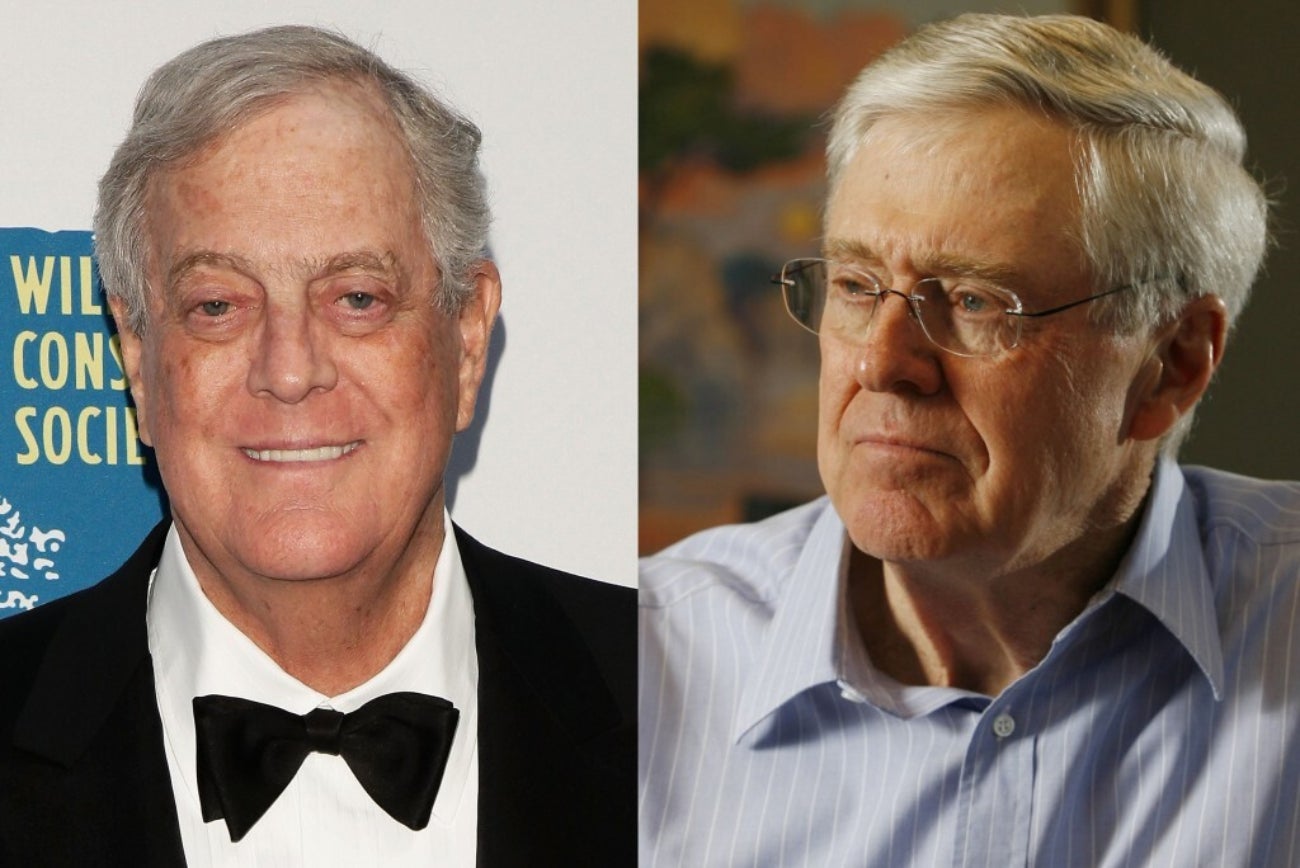
Koch Network Groups Target Delaware’s Donor Disclosure Law
Political advocacy organizations linked to the billionaire Koch brothers have filed a federal lawsuit against Delaware, challenging the state’s campaign finance law that requires disclosure of donors funding political advertising. The case, which centers on campaign finance disclosure, could reshape how political groups operate within Delaware and potentially beyond.
The groups at the heart of the lawsuit, Americans for Prosperity and the Americans for Prosperity Foundation, have a well-established history of supporting limited government and conservative causes. These Virginia-based nonprofits are seeking to produce mailers and ads naming political candidates in Delaware without having to reveal their donor lists, a move they argue is necessary to protect donor privacy and free speech rights.
The Legal Challenge: Free Speech and Donor Privacy
Delaware’s campaign finance law, enacted in 2012 after the Citizens United Supreme Court decision, aims to increase transparency in political spending. It mandates that so-called “third-party advertisers”—groups not directly affiliated with candidates—disclose their donors if they spend more than $500 on “electioneering communications” that mention a candidate. While this law is designed to inform voters about who is behind political ads, Americans for Prosperity contends it infringes on First Amendment rights.
According to their lawsuit, the required disclosures “violate the right to private association, chill free speech and association, and overstep the government’s legitimate disclosure interests.” The organizations are seeking not only to have the law declared unconstitutional but also to secure an injunction that would prevent Delaware from enforcing it while the case proceeds in court.
The argument for campaign finance disclosure has long been a point of contention in U.S. politics. Proponents say it helps prevent “dark money” from unduly influencing elections, while opponents argue that forced disclosure can deter political participation and open donors to harassment and reprisal.
Millions at Stake in Delaware Elections
Americans for Prosperity and its foundation wield significant financial influence, having received over $183 million in contributions and spending more than $21 million on political campaigns in 2024 alone, according to IRS filings. With Delaware’s primary and general elections approaching, the groups are poised to spend heavily—if their donors’ identities remain confidential.
The lawsuit highlights the importance of donor privacy for the Koch network, citing instances of threats and boycotts against donors when their identities have been publicized. Ross Connolly, the northeast director for Americans for Prosperity, emphasized that the ability to support causes without fear of reprisal is a “fundamental American principle.” The lawsuit argues that if the law stands, many current and potential donors may stop contributing, fearing exposure and its consequences.
State Officials Defend Transparency Measures
Delaware officials named in the lawsuit, including Elections Commissioner Anthony Albence and Attorney General Kathy Jennings, have declined to comment directly. However, Jennings’ office, through spokesman Mat Marshall, has defended the law as a necessary check against secretive political spending. “The Koch networks’ lawsuit is trying to keep dark money dark,” Marshall asserted, contending that Delaware’s disclosure requirements are minimal and designed to ensure voters know who is funding political messaging.
Marshall further argued that the law safeguards elections from “malign influence by corporate interests,” and that special rules for third-party advertisers would undermine the integrity of the democratic process. Critics of the Koch-backed groups say that transparency is essential to maintaining trust in elections and preventing undue influence by wealthy interests.
Implications for Campaign Finance Disclosure Nationwide
While the immediate impact of the lawsuit is on Delaware, the outcome could reverberate nationally, influencing how other states structure their campaign finance disclosure laws. The case highlights the ongoing debate between donor privacy and public transparency—a debate intensified by the rise of so-called “dark money” in American politics since the Citizens United ruling.
Currently, about 60 third-party advertisers are registered in Delaware. Most report contributions from organizations rather than individuals, but Americans for Prosperity’s lawsuit claims that thousands of individual donors could be exposed if they engage in Delaware campaigns. Noncompliance with the law carries penalties, including fines and possible criminal charges.
As the legal battle unfolds, both sides remain steadfast. Americans for Prosperity insists that protecting donor anonymity is essential for free political expression, while state officials maintain that campaign finance disclosure is crucial for a healthy democracy.
Conclusion: The Future of Political Transparency in Delaware
The outcome of this high-profile lawsuit could change the landscape of campaign finance disclosure not just in Delaware, but across the United States. As the 2024 election cycle approaches, all eyes will be on the courts to see how they balance the interests of donor privacy with the public’s right to know who is funding political speech. The debate over campaign finance disclosure remains central to the integrity of American elections and the ongoing struggle between transparency and privacy.
This article is inspired by content from Original Source. It has been rephrased for originality. Images are credited to the original source.