

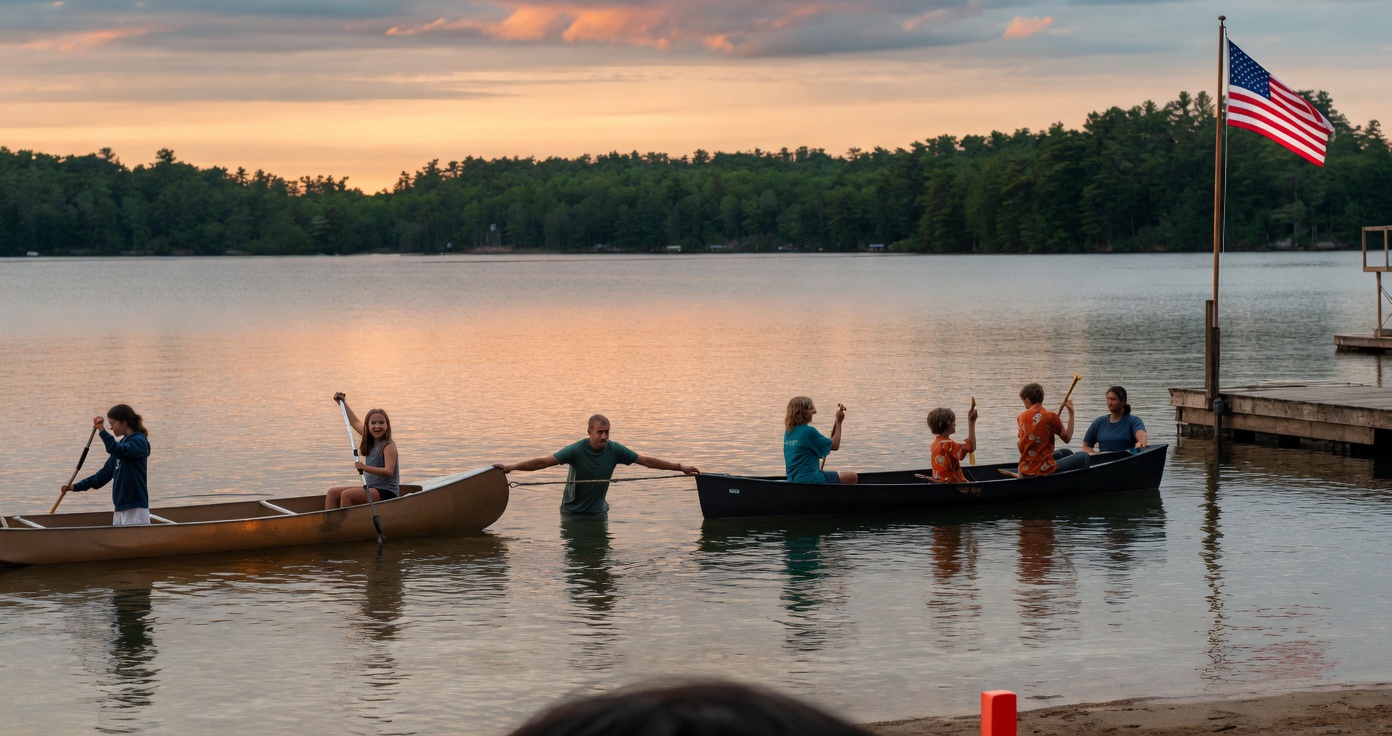
Simad Holdings Bankruptcy Sends Shockwaves Through Maine Camps
Simad Holdings bankruptcy has sent ripples across the northeast, impacting six well-known Maine summer camps and dozens more throughout the region. On Thursday, Simad Holdings, the parent company operating 22 overnight and eight day camps, filed for Chapter 11 bankruptcy protection, listing over $500 million in liabilities. This development has left thousands of campers and their families facing uncertainty as the summer camp season approaches.
Details of the Simad Holdings Bankruptcy
Simad Holdings, headquartered in the British Virgin Islands, has been a prominent name in the summer camp industry, particularly in the northeast United States. The company’s portfolio in Maine includes Indian Acres Camp and Forest Acres Camp in Fryeburg, Camp Med-o-Lark in Washington, New England Golf & Tennis Summer Camp in Belgrade, Camp North Star in Poland, and Camp Wekeela in Hartford. Last year alone, nearly 19,900 campers attended Simad properties, highlighting the scale of the organization’s operations.
The Simad Holdings bankruptcy filing came after months of mounting financial pressure. According to court documents and financial reports, Simad Holdings has accumulated debts exceeding half a billion dollars. The company’s assets, appraised at close to $500 million last year, are now at risk as creditors seek repayment.
Financial Crisis and Bondholder Trouble
At the heart of the Simad Holdings bankruptcy is a complex web of financial obligations and missed payments. Simad shareholders Michael and David Shabsels, who have also filed for personal bankruptcy, had defaulted on payments to Israeli bondholders. Six months prior, the Shabsels brothers turned to the Israeli bond market to help finance their sprawling camp business, but trouble soon followed.
Reports from Israeli business publication Globes and filings with the Tel Aviv Stock Exchange reveal that Simad Holdings missed a critical bondholder payment and disclosed a $34 million transfer to companies controlled by the Shabsels brothers. Although Simad claimed this transfer was inadvertent, the company’s audit committee requested the money be returned. According to investigative reporting, the brothers agreed to return the funds but soon informed the committee that they were unable to do so.
This financial mismanagement, combined with additional obligations secured by the company’s subsidiaries, has raised questions about whether bondholders will be able to recoup their investments by seizing Simad’s assets. There are also concerns that Simad may have double-pledged assets, further complicating the situation for creditors and investors.
Impact on Maine Summer Camps and Families
The Simad Holdings bankruptcy has left the fate of the upcoming summer season in limbo for many Maine families. The six camps affected are pillars of Maine’s vibrant summer camp tradition, drawing children from across the country. As of now, it remains unclear how the bankruptcy will affect enrollments, staffing, and camp operations for the 2026 season. The Maine Wire has reached out to Simad’s legal representatives seeking clarity, but no official response has been provided regarding the immediate future of the camps.
Industry experts note that when companies default on secured debt payments, bondholders can attempt to seize property assets. However, the situation is complicated by the possibility of double-pledged assets and the international nature of Simad Holdings’ finances. Parents, camp staff, and local communities are anxiously awaiting further information as legal proceedings unfold.
Larger Implications for the Summer Camp Industry
The Simad Holdings bankruptcy underscores the risks associated with highly leveraged business models and complex, international financing arrangements. As one of the largest operators of camps in the northeast, Simad’s financial collapse could have ripple effects throughout the summer camp industry, potentially affecting camp suppliers, local economies, and even the broader real estate market where camps are situated.
For now, families with children enrolled in Simad-operated camps are advised to monitor updates closely and communicate with camp administrators for the latest information. As the Chapter 11 proceedings continue, the full ramifications of the Simad Holdings bankruptcy will become clearer in the coming weeks and months.
Conclusion: Uncertainty and Hope for Resolution
The Simad Holdings bankruptcy marks a significant moment for Maine’s summer camps and the wider northeast camp sector. While the future remains uncertain, stakeholders are hoping for a swift and fair resolution that prioritizes the interests of campers, families, and local communities. Continued transparency from Simad Holdings and the legal system will be essential as everyone awaits the next developments in this high-stakes financial story.
This article is inspired by content from Original Source. It has been rephrased for originality. Images are credited to the original source.