

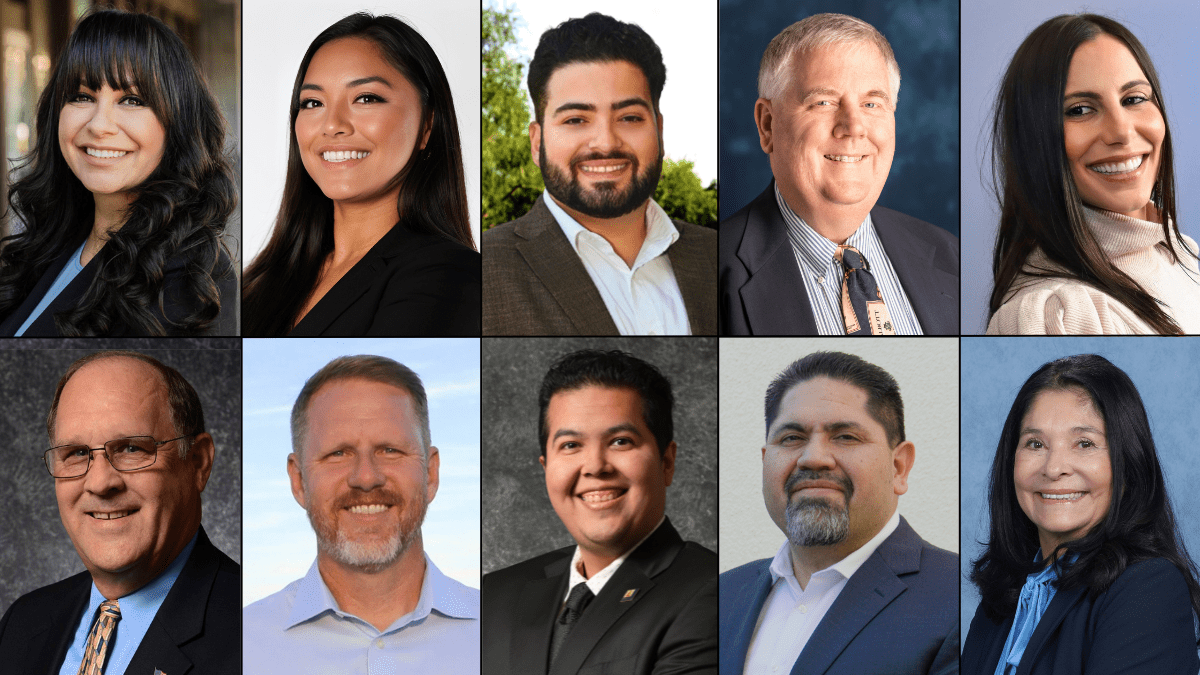
Major Disparities in Riverside City Council Campaign Finance
The Riverside City Council campaign finance filings for the June primary reveal striking gaps in fundraising and spending among candidates. With ten contenders, including one incumbent, vying for three council seats, the financial disclosures highlight how money has influenced the race and shaped campaign strategies ahead of the November 3 general election.
Ward 2: Torres and Ayra Dominate Fundraising
Gracie Torres leads the pack in Riverside City Council campaign finance, having raised nearly $163,000—more than any other candidate in this election cycle. Her fundraising has steadily increased, with almost $100,000 collected between January 1 and May 16, and $117,414 by June 30. Significant contributions include $5,900 from SEIU Local 721 and $10,000 from local business owner Eugene S. Park. Torres emphasizes her grassroots approach, noting that her campaign’s financial support reflects broad community backing and her commitment to delivering results for Ward 2 residents.
Torres’ spending nearly matches her fundraising, with about $159,000 allocated to various campaign costs, including unpaid bills and nonmonetary adjustments. As of June 30, her committee reported $15,000 in cash on hand. Recently, she secured an additional $10,000 from the Riverside Firefighters Legislative Action Group and $2,500 from a carpenters’ union PAC, funds earmarked for direct voter engagement in the coming months.
Her opponent, Aram Ayra, has raised just under $81,000—less than half of Torres’ total. Despite being outraised nearly 2.5 to 1, Ayra points out that his grassroots campaign finished within 200 votes of Torres in one of the city’s most expensive primaries. Ayra’s campaign relied on just over $5,000 in individual contributions, a $10,000 loan, and $13,664 in mailers funded out-of-pocket. He also received support from labor unions, including $750 from the United Domestic Workers of America Action Fund and $2,000 from SEIU Local 121RN Health Care Fund. With $85,000 spent and $2,500 remaining, Ayra intends to maintain his cost-conscious approach, focusing on direct voter outreach and efficient spending.
Other Ward 2 Candidates: Modest Campaigns
Mike Vahl, who did not advance to the runoff, raised $20,152, primarily from individual donors and personal funds. Vahl criticized the lack of campaign contribution limits in Riverside, suggesting that unlimited funding can distort local elections. Similarly, Christen Montero’s campaign was funded by small individual donations totaling $9,945, but expenditures reached $20,621.
Ward 4: Incumbent Outpaces Challengers
Incumbent Chuck Conder leads Ward 4’s Riverside City Council campaign finance scene with over $154,000 raised and nearly the same amount spent. Significant donors include the Riverside Firefighters Legislative Action Group and business owner Gordon Bourns. Conder’s campaign reported just over $3,100 in cash as of June 30.
Rich Vandenberg, Conder’s challenger, raised $21,549—about seven times less than the incumbent. Vandenberg focused on grassroots outreach, personally knocking on over 12,000 doors. He noted that while Conder outspent him, he aimed to outwork his opponent and emphasized the importance of donor sources in shaping city policy. Jessica Qattawi, who did not advance, raised $5,073 and spent $1,913, mostly on campaign materials.
Ward 6: Clear Winner and Funding Dynamics
Luis Hernandez, the only candidate to clear the 50% threshold and win the Ward 6 seat outright, raised $20,637. His backing came primarily from individual donors, along with $5,000 from State Sen. Sabrina Cervantes and Councilmember Clarissa Cervantes, and $3,000 from SEIU Local 121RN Health Care Fund. The Riverside Firefighters Legislative Action Group also contributed $10,000 late in the cycle.
Norma Berrellez, another Ward 6 contender, amassed $17,976, with support from local police and sheriff union PACs. Oz Puerta, meanwhile, raised approximately $56,297—triple the amount of Hernandez and Berrellez—through a mix of local PACs, business owners, residents, and a $15,000 personal loan. Despite his financial advantage, Puerta acknowledged that direct voter contact was more decisive than campaign funding, as demonstrated in other wards.
The Cost of Running for Riverside City Council
Combined, the ten candidates in the Riverside City Council campaign finance filings have raised $549,607 and spent $554,733 as of June 30. As the November 3, 2026, election approaches, remaining candidates are expected to intensify fundraising efforts to secure their seats.
This detailed look at Riverside City Council campaign finance underscores the pivotal role of fundraising in local elections and highlights the challenges and strategies of candidates in one of Southern California’s most competitive municipal races.
This article is inspired by content from Original Source. It has been rephrased for originality. Images are credited to the original source.