

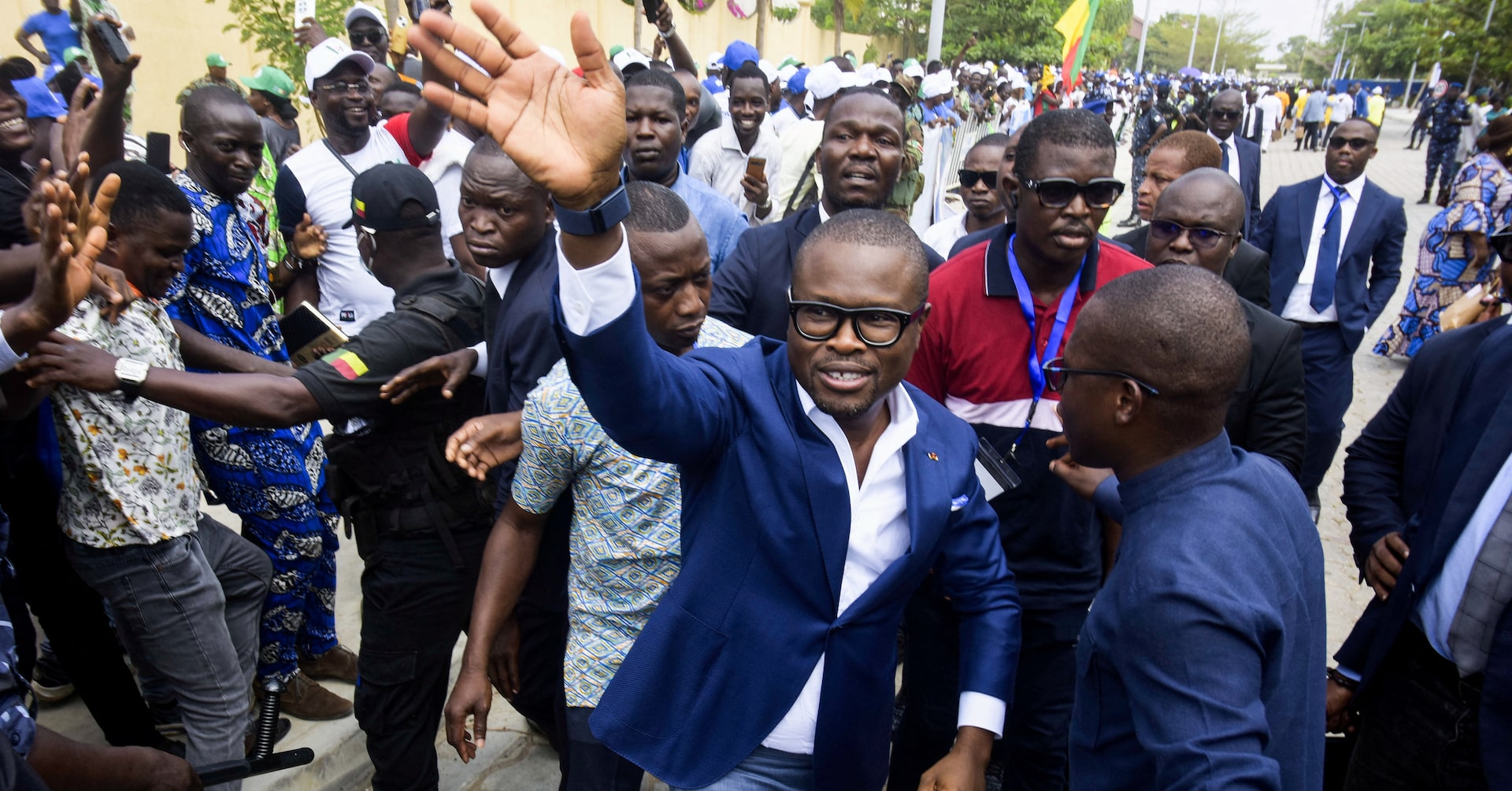
Romuald Wadagni: From Finance Minister to Presidential Candidate
Romuald Wadagni, Benin’s long-serving finance minister and the ruling party’s leading candidate, is on the brink of transitioning from a technocratic role to the presidency. As the 2026 Benin presidential election approaches, the focus is firmly on Wadagni’s economic leadership and the challenges facing the nation, including persistent security threats from jihadist groups in the Sahel region. This article explores Wadagni’s journey, the political landscape in Benin, and the key issues influencing the upcoming election through the lens of the Benin presidential election.
Wadagni’s Track Record and Leadership Style
Wadagni, aged 49 and a former Deloitte executive, has been a crucial figure in implementing the economic policies of outgoing President Patrice Talon. Over the past decade, he has overseen significant financial reforms, including tripling Benin’s national budget and driving the highest GDP growth rates in over twenty years. These achievements form the cornerstone of his Benin presidential election campaign, which emphasizes economic stability and continued development.
Wadagni’s campaign has highlighted his close relationship with President Talon, describing it as “almost like a father-and-son relationship.” He pledges continuity, assuring supporters that, if elected, he will govern with the same dedication that marked his tenure as finance minister. Key proposals include the creation of new development hubs to distribute industrial and tourism investments more evenly and expanding healthcare access nationwide.
Political Context and Security Challenges
The Benin presidential election is being held in a climate of insecurity. Jihadist groups affiliated with al Qaeda and Islamic State have expanded their operations along Benin’s northern borders, causing significant military and civilian losses. Last year, a single attack claimed the lives of 54 Benin soldiers, and another 15 were killed in a recent incident. These escalating security threats have become central to Wadagni’s campaign strategy.
To demonstrate the government’s control, Wadagni has held rallies in northern towns such as Parakou and Tanguieta, areas most affected by violence. He has also promised to establish municipal police forces in border regions to bolster local defense and reassure citizens of their safety during this pivotal Benin presidential election.
Coup Attempt and Political Opposition
Benin’s political environment has been shaped by recent unrest, including a failed coup attempt in December. Disgruntled soldiers, citing neglect by the government, temporarily seized the state television network and threatened the stability of President Talon’s administration. The rapid intervention of Nigerian airstrikes and the West African bloc ECOWAS was crucial in maintaining constitutional order. Around 100 alleged coup participants remain in custody, highlighting the government’s ongoing struggle with internal dissent.
Political opposition in Benin has been systematically weakened in recent years. The main opposition party, The Democrats, failed to secure enough legislative sponsorship to field a presidential candidate and was shut out of the most recent parliamentary elections. As a result, Wadagni faces only one opponent, Paul Hounkpe of the Cowry Forces for an Emerging Benin party, who has criticized the government for failing to improve the lives of ordinary citizens despite economic growth.
Wadagni’s Background and Vision
Born in Lokossa in southern Benin, Wadagni was educated in management and finance in France and has completed courses at Harvard University. Despite years spent abroad, his campaign has actively promoted his “deep roots” in Benin and his experience growing up as an ordinary citizen. This narrative aims to counter skepticism about his connections to the country’s everyday realities and to solidify his appeal among voters.
Wadagni’s vision for Benin goes beyond economic reforms. He promises to address security concerns, improve healthcare, and foster inclusive development. His supporters argue that his steady leadership style and proven financial expertise make him the ideal candidate to lead Benin through turbulent times. However, critics warn that continued consolidation of power could further marginalize the opposition and restrict democratic freedoms, especially as security challenges persist.
What’s at Stake in the 2026 Benin Presidential Election?
This year’s Benin presidential election represents a crossroads for the country. The outcome will determine whether Benin continues along its current path of economic growth under a strong executive or faces increasing political constraints amid ongoing security threats. As the election approaches, Wadagni’s experience, policy proposals, and ability to maintain stability will be scrutinized by both supporters and critics alike.
Whether Wadagni can transform his technocratic success into effective national leadership remains to be seen. The election will also test the resilience of Benin’s democratic institutions in the face of regional instability and internal political pressures.
This article is inspired by content from Original Source. It has been rephrased for originality. Images are credited to the original source.