

University of Illinois Extension Provides Financial Tools for Farmers
As Midwest farmers confront another year of financial uncertainty, the University of Illinois Extension is stepping in to provide critical guidance. With agricultural profits remaining stubbornly low, Extension experts are helping farmers assess their financial condition through detailed balance sheet analysis.
Kevin Brooks, an Extension educator based in Havana, Illinois, emphasized the value of using a market-value balance sheet. This tool offers a real-time snapshot of a farm’s financial health by comparing the value of its current assets against its liabilities. Understanding this balance is essential for farmers making strategic decisions in a challenging economic climate.
Debt-to-Asset Ratios: The Traffic Light System
One of the key metrics used by financial institutions and advisors is the debt-to-asset ratio. This ratio helps determine the financial stability of a farming operation. Lenders typically view this ratio through a traffic light system:
- Green light (30% or less): Indicates strong financial health. Farms in this category are more likely to receive favorable loan terms.
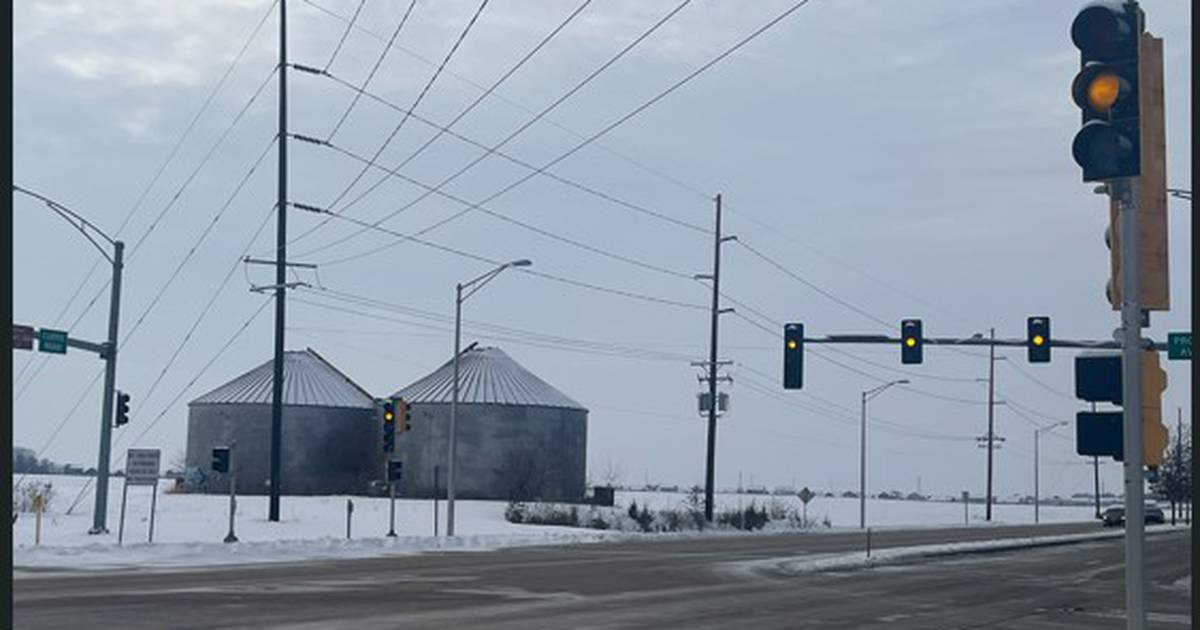
- Yellow light (30% to 60%): Suggests caution. These farms may still qualify for loans but could face higher interest rates and more scrutiny.
- Red light (Over 60%): Signals high financial risk. Such farms often struggle to secure traditional financing and may need to turn to the Farm Service Agency as a lender of last resort.
“A debt-to-asset ratio of more than 60% will make it challenging to secure a loan through traditional lenders,” Brooks noted. “It’s important for farmers to understand where they stand before approaching a bank.”
Current Ratio and Working Capital: Key Indicators
Another crucial metric is the current ratio, calculated by dividing current assets by current liabilities. A strong benchmark is a ratio of 2.0 or higher, indicating the farm has $2 in assets for every $1 of short-term debt. Lower ratios may raise concerns for lenders about a farm’s ability to meet its immediate financial obligations.
In addition to these ratios, working capital is a vital measure of a farm’s financial cushion. This figure represents the amount of cash available beyond what is needed to cover expenses. Lenders often recommend that farms maintain a working capital margin of 30% to 40% to buffer against unexpected challenges such as crop failure, market downturns, or equipment repairs.
Maintaining Trust Through Accurate Reporting
Brooks stressed the importance of honest and consistent financial reporting, especially when dealing with multiple lenders. “Falsifying information on a balance sheet is a criminal offense,” he warned. “Farmers have been convicted and imprisoned for bank fraud.”
Transparency is key. Brooks advises farmers to:
- Use realistic values for assets—avoid inflating numbers to appear more solvent.
- Ensure consistency in the balance sheets shared with different lenders.
- Maintain open communication with lenders about purchasing decisions and debt plans.
By fostering strong relationships with lenders and providing accurate financial information, farmers can improve their chances of securing necessary funding—even in tough times.
Resources for Continued Support
To help farmers navigate these complex financial waters, the Extension’s Farm Coach blog offers regular updates, insights, and tools tailored to the needs of agricultural businesses. Those seeking personalized advice can contact Kevin Brooks directly at kwbrooks@illinois.edu.
Whether you’re a seasoned farmer or new to the business, understanding your financial position is critical to long-term success. With the guidance of University of Illinois Extension, farmers across the Midwest can take proactive steps to strengthen their operations and weather ongoing economic challenges.
This article is inspired by content from Original Source. It has been rephrased for originality. Images are credited to the original source.