

Allegations Surface Over Campaign Finance Violations in Pennsylvania
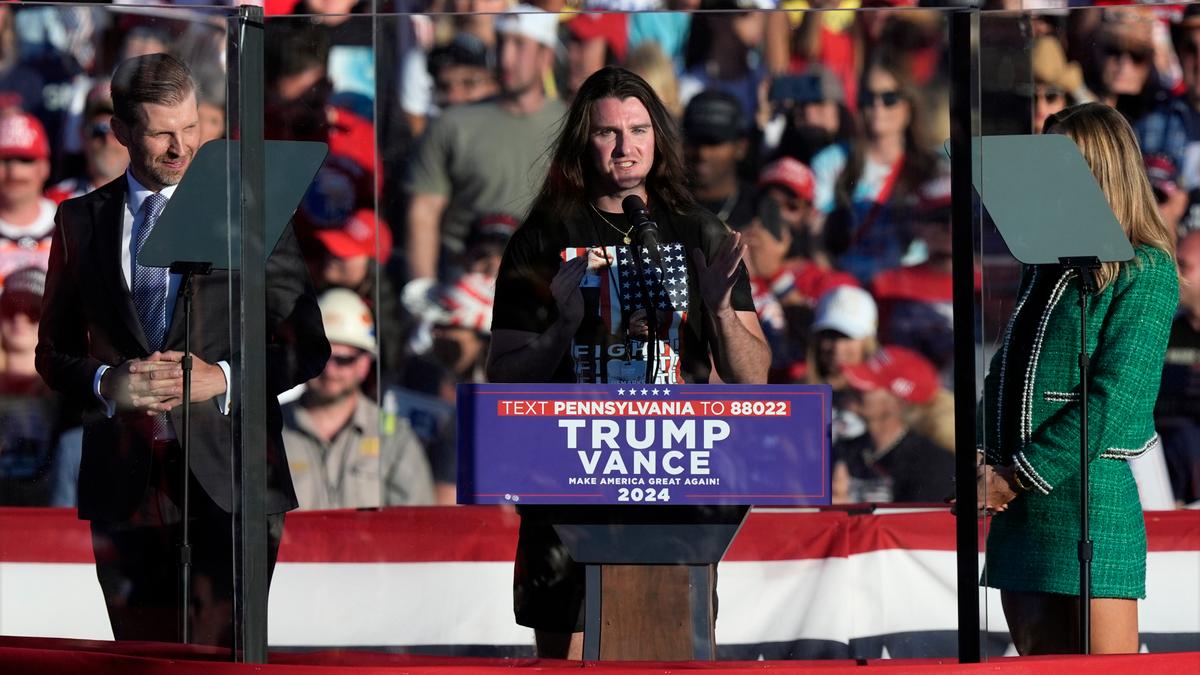
Scott Presler campaign finance violation allegations have emerged, placing the conservative activist and his political action committee, Early Vote Action, under the spotlight in Pennsylvania. A watchdog group, Public Citizen, has filed a complaint asserting that Presler failed to comply with state campaign finance disclosure requirements during the 2025 state Supreme Court judicial retention election. The case underscores the ongoing debate around transparency and accountability in state political campaigns.
Details of the Complaint Against Scott Presler
Public Citizen, a Washington D.C.-based nonprofit dedicated to promoting democracy and curbing corporate power, filed the official complaint with the Pennsylvania Department of State. The organization alleges that despite Presler’s visible campaigning in the state—especially his efforts to urge voters not to retain three sitting state Supreme Court judges—he and Early Vote Action did not disclose their funding sources or detailed expenditures as required by Pennsylvania law.
Craig Holman, a government affairs lobbyist for Public Citizen, emphasized, “Presler has every right to conduct political activities, but lawmakers and voters also have every right to know who is paying how much to influence their political choices.” This statement highlights the crux of the Scott Presler campaign finance violation complaint: the need for transparency in political spending.
Pennsylvania Campaign Finance Laws Explained
According to Pennsylvania’s campaign finance statutes, political action committees (PACs) must report all expenses and the names of contributors who donate more than $50, provided their spending exceeds $250. While Early Vote Action is registered federally with the Federal Election Commission, searches of Pennsylvania’s campaign finance records reveal no registration or reporting from the group at the state level.
The state imposes minimal fines for late filings, but more severe penalties—including fines up to $5,000 and potential jail time for candidates or PAC treasurers—are possible for outright failure to file. Nevertheless, such prosecutions are rare, and enforcement of these rules is often considered lax. This context is essential in understanding why Presler’s actions have sparked renewed calls for stricter oversight.
Presler’s 2025 Activism and the Judicial Retention Campaign
The current complaint centers on Presler’s activism during the 2025 judicial retention election. That year, three Democratic-aligned state Supreme Court judges faced “yes” or “no” votes on whether they should continue for another decade. Presler, alongside other Republicans, campaigned vigorously to unseat these judges, aiming to shift the court’s ideological balance ahead of the 2027 municipal election.
In September 2025, Presler posted on social media, “If we defeat even 1 of these democrat Supreme Court Justices this November, we will go down in Pennsylvania history,” sharing images of himself placing “Vote No” signs branded by Early Vote Action along state roads. Public Citizen claims that Early Vote Action paid staff, conducted voter outreach, and purchased digital and print advertising during this campaign—expenditures that would necessitate detailed campaign finance reporting under state law.
Broader Implications and Ongoing Investigations
The Pennsylvania Department of State, which oversees campaign finance compliance, confirmed receipt of the complaint but declined to comment further, citing ongoing investigations. This is not Presler’s first encounter with campaign finance scrutiny. Earlier in the year, Public Citizen also filed a complaint with Congress, arguing that Presler should have registered as a lobbyist due to his advocacy work, particularly around the SAVE America Act. In response, a firm representing Presler eventually filed the necessary disclosures, though neither organization ever registered as a PAC in Pennsylvania.
Recently, Presler has drawn national attention for requesting lists of individuals who were denied jury duty in Pennsylvania due to their noncitizen status. He asserts that he will compare these lists to state voter rolls to identify allegedly ineligible voters. This effort has attracted political figures such as U.S. Sen. Dave McCormick, who cited Presler’s findings as evidence of systemic problems. However, the Pennsylvania Department of State publicly clarified that being rejected from jury duty does not necessarily mean an individual is registered to vote, pushing back against Presler’s claims.
Transparency and the Future of Campaign Finance in Pennsylvania
The Scott Presler campaign finance violation complaint is part of a broader conversation about transparency in Pennsylvania’s political system. While enforcement remains inconsistent, advocates like Public Citizen continue to push for stricter adherence to reporting laws. As the 2027 municipal election approaches, the outcome of this complaint could influence how activists and PACs operate in the state, setting new precedents for accountability and disclosure.
For Pennsylvania voters and lawmakers, the case underscores the importance of accessible and transparent political funding information—a fundamental cornerstone of a healthy democracy. Whether this latest complaint compels reforms or heightened enforcement remains to be seen, but it is certain to keep campaign finance practices in the public eye.
This article is inspired by content from Original Source. It has been rephrased for originality. Images are credited to the original source.