

Senegal Responds to Global Oil Price Surge Amid Iran War
Senegal oil price shock is at the forefront as the government takes decisive action to protect public finances. In response to the destabilizing rise in global oil prices triggered by the ongoing U.S.-Israeli conflict with Iran and the closure of the Strait of Hormuz, Senegal’s Prime Minister Ousmane Sonko has announced a ban on all non-essential foreign travel for ministers and top officials.
Impact of the Iran War on Senegal’s Economy
As the Iran conflict escalates, global energy markets have experienced significant volatility. The closure of the Strait of Hormuz—an essential route for international oil shipments—has caused Senegal oil price shock to reverberate throughout the nation. The price of benchmark Brent crude has soared to around $115 per barrel, a staggering figure compared to the $62 per barrel estimation used in Senegal’s budget planning. This sharp increase places immense pressure on the West African nation’s finances, forcing the government to act swiftly and decisively.
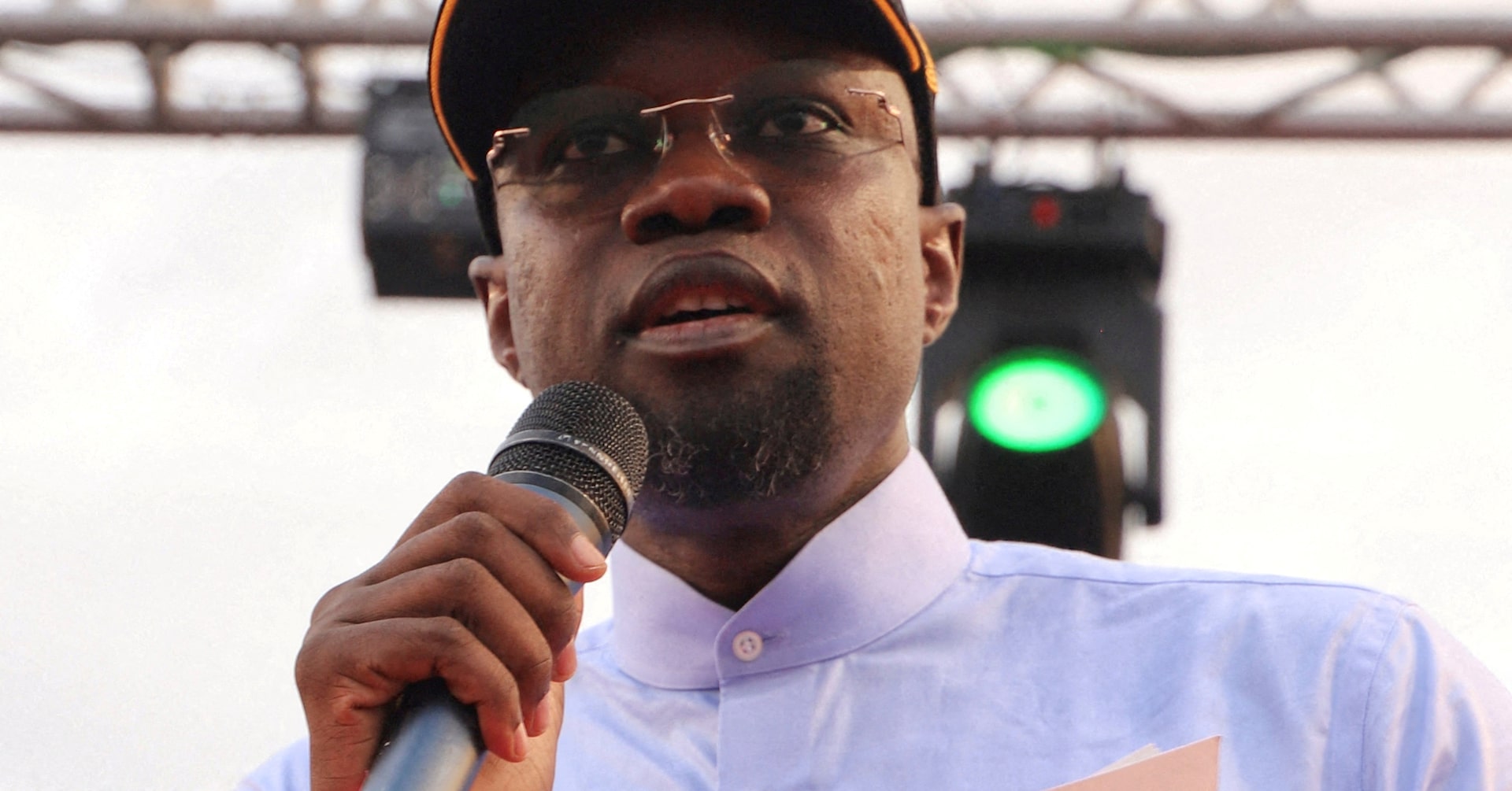
Prime Minister Sonko addressed these challenges during a youth engagement event in Mbour, explaining that the government is entering ‘extremely difficult’ times. He emphasized that ministers would only be permitted to travel abroad for missions deemed essential to the country’s immediate interests, underscoring the seriousness of the current budgetary constraints. Sonko himself has already canceled previously scheduled trips to Niger, Spain, and France.
Regional and Global Responses to Oil Price Shocks
Senegal is not alone in grappling with the consequences of the Iran war-induced oil price spike. Across West Africa and beyond, governments are enacting measures to stabilize their economies. Some countries are increasing fuel prices, while others turn to subsidies or encourage remote work to limit energy consumption and ease the strain on public budgets. The Senegal oil price shock mirrors similar disruptions faced by other developing economies deeply reliant on imported fuel.
The government’s focus is on maintaining essential services and ensuring that scarce resources are allocated efficiently. Officials have highlighted that additional measures are under consideration and will be announced in the coming week. The Minister of Energy and Mines is expected to address the nation soon, providing detailed updates on strategies to mitigate the impact of sustained high oil prices on both consumers and the government’s fiscal health.
Challenges for Debt-Laden Senegal
Senegal, like many developing countries, is particularly vulnerable to external shocks due to existing debt burdens and limited fiscal flexibility. The unexpected surge in oil prices caused by the Iran conflict puts further stress on government budgets, potentially threatening social programs and development projects. Prime Minister Sonko’s travel restrictions represent a broader commitment to austerity and careful financial management during this turbulent period.
The Senegal oil price shock also highlights broader economic risks for emerging markets in times of global instability. Higher fuel costs can ripple through local economies, increasing transportation expenses, raising the cost of goods, and straining household budgets. For Senegal’s government, protecting the most vulnerable citizens while maintaining fiscal stability has become the defining challenge of the moment.
Looking Ahead: Government Measures and Public Communication
Senegal’s administration is preparing to introduce further strategies to weather the current crisis. These may include energy savings initiatives, direct support for affected industries, or temporary subsidies to cushion the impact on consumers. Effective communication will be crucial as officials seek to reassure the public and maintain confidence in the government’s ability to manage the crisis.
The situation serves as a stark reminder of how geopolitical conflicts far beyond a country’s borders can have direct and profound impacts on domestic economies. As global oil prices remain elevated, the government’s ongoing response to the Senegal oil price shock will be closely watched by citizens, businesses, and international partners alike.
Conclusion: Senegal Navigates Oil Price Uncertainty
In summary, Senegal is proactively addressing the challenges posed by the Iran war’s impact on global oil markets. With non-essential foreign travel for officials suspended and more measures on the horizon, the country aims to safeguard its public finances during this period of uncertainty. The Senegal oil price shock will continue to shape economic policy and public discourse as the government seeks to balance austerity with necessary support for its people.
This article is inspired by content from Original Source. It has been rephrased for originality. Images are credited to the original source.