

Introduction: Unveiling a Major REIT Fraud Case
The recent indictment of Brandon Dutch Mendenhall, a Tampa-based finance expert, has sent shockwaves through the real estate investment world. Authorities allege that Mendenhall misused investor funds from his company, RAD Diversified REIT, to secure a $1.2 million mortgage. This case has brought the topic of real estate investment fraud to the forefront, highlighting the importance of due diligence for investors seeking stable returns in real estate.
Details of the Alleged Scheme
According to federal prosecutors, Mendenhall lured investors with promises of high returns through his real estate investment trust, RAD Diversified REIT. However, investigators claim that instead of directing all funds towards legitimate investments, a significant portion was diverted for personal use, including the purchase of a luxury home. This use of investor money to secure a $1.2 million mortgage not only violated the trust of his clients but also raised serious legal and ethical questions.
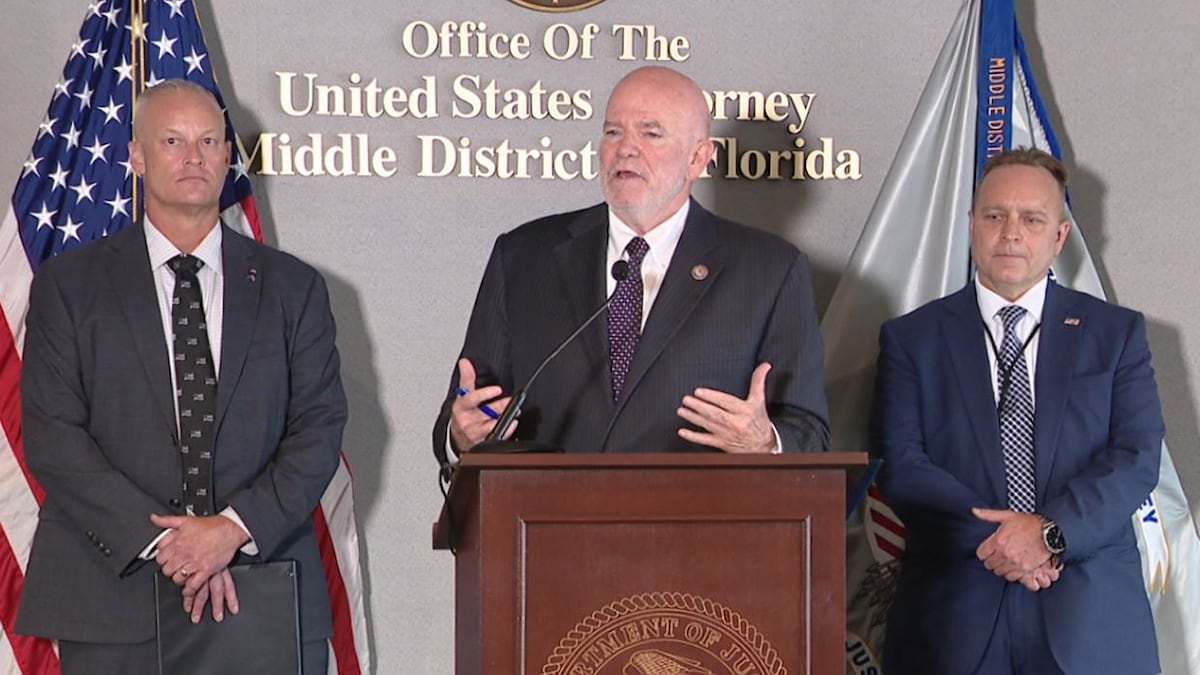
The U.S. Attorney’s Office emphasized that this indictment is part of a wider probe into Mendenhall’s financial practices. The ongoing investigation underscores the growing challenge of tracking and preventing real estate investment fraud in today’s rapidly evolving financial markets.
How REITs Work—and How They Can Be Exploited
Real Estate Investment Trusts (REITs) are popular vehicles for individuals seeking to invest in property portfolios without directly owning real estate. They offer diversification, liquidity, and the potential for steady dividends. However, the structure of REITs also creates opportunities for unscrupulous managers to exploit investor trust.
In this case, prosecutors allege that Mendenhall used the legitimacy of a REIT to convince investors their money was safe and would be used solely for regulated real estate projects. The allegations state that, instead, funds were misappropriated, exemplifying a classic scenario of real estate investment fraud where the line between legitimate business and personal enrichment becomes blurred.
Impact on Investors and Industry Reactions
The fallout from the Mendenhall case has left many investors feeling betrayed and financially vulnerable. Several victims have already come forward, sharing stories of lost savings and shattered trust. Industry experts warn that cases like this can undermine public confidence in REITs and similar investment vehicles, making it harder for legitimate firms to attract new clients.
Financial advisors are now urging investors to conduct thorough background checks on fund managers, verify the registration and regulatory compliance of REITs, and demand transparency in financial reporting. The Mendenhall case serves as a stark reminder that even sophisticated investors can fall prey to real estate investment fraud if proper precautions are not taken.
Regulatory Response and Preventive Measures
In response to the indictment, regulatory agencies are calling for stricter oversight of private REITs and enhanced disclosure requirements. The Securities and Exchange Commission (SEC) has reiterated the importance of investor education and vigilance. They advise potential investors to look for red flags such as promises of guaranteed returns, reluctance to provide audited financial statements, or pressure to invest quickly.
Experts in the field of real estate investment fraud prevention recommend utilizing third-party custodians for investor funds and insisting on regular, transparent reporting. These measures can help ensure that investor money is used appropriately and reduce the risk of fraud.
Broader Implications for Real Estate Investing
The Mendenhall indictment highlights the ongoing risks faced by those participating in real estate investment markets. While REITs remain a valuable tool for portfolio diversification, this case underscores the necessity of robust due diligence and skepticism. As the financial sector becomes increasingly complex, regulatory bodies and investors alike must work together to detect and deter fraudulent schemes.
For those considering real estate investments, the best defense against real estate investment fraud is knowledge. Understanding how legitimate REITs operate, verifying regulatory compliance, and staying informed about potential scams are crucial steps to safeguarding one’s investments.
Conclusion: Lessons Learned from the Tampa REIT Fraud Case
The charges against Brandon Dutch Mendenhall and RAD Diversified REIT serve as a cautionary tale for investors everywhere. With real estate investment fraud posing a persistent threat, vigilance, education, and transparency are more important than ever. By learning from these events, investors can better protect their assets and contribute to a more trustworthy investment environment.
This article is inspired by content from Original Source. It has been rephrased for originality. Images are credited to the original source.